
Last updated September 22, 2026
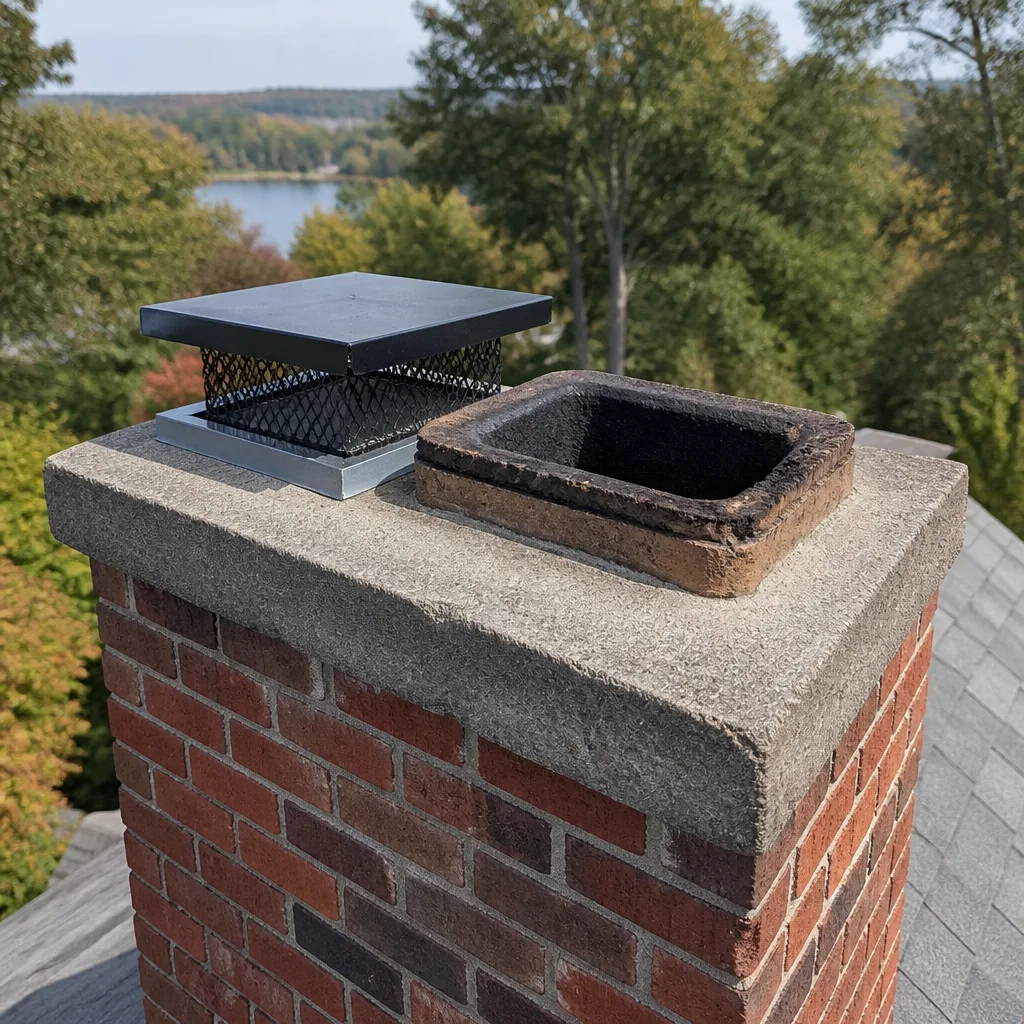
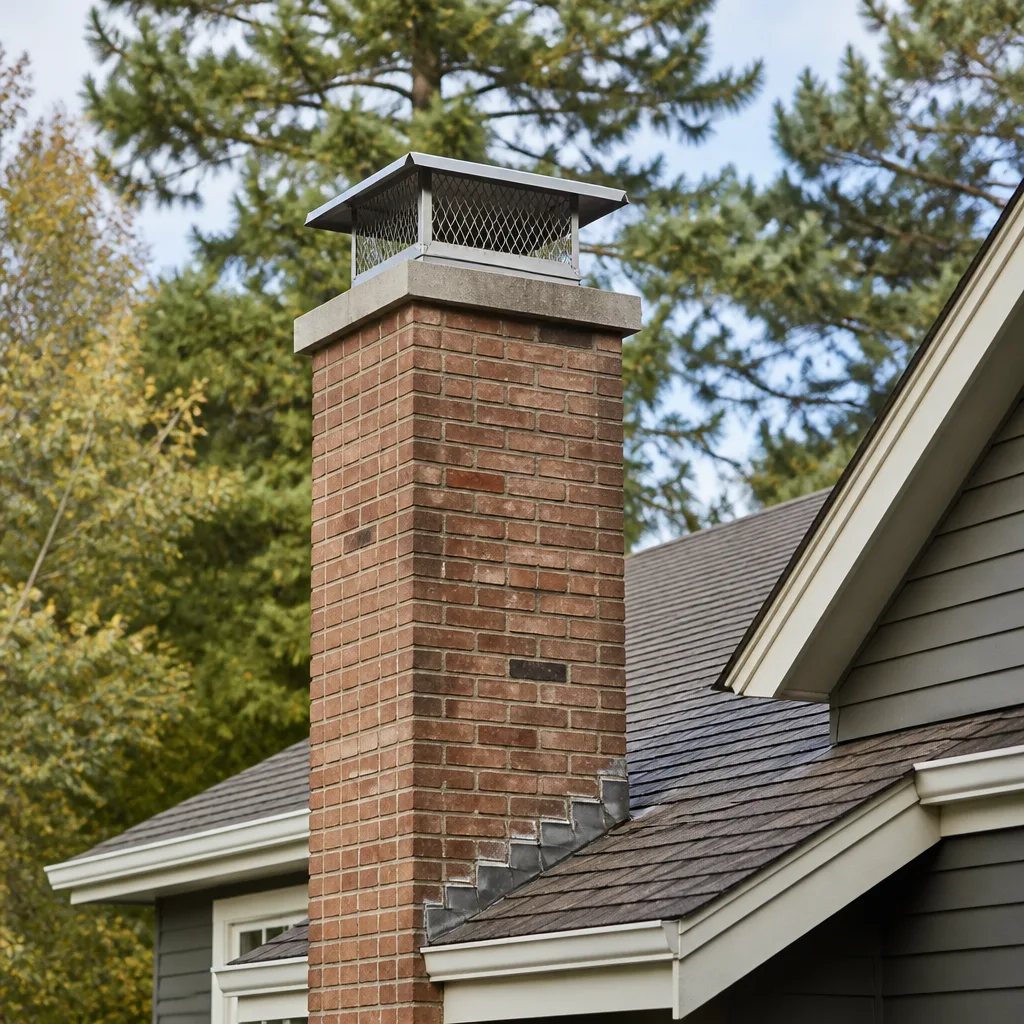
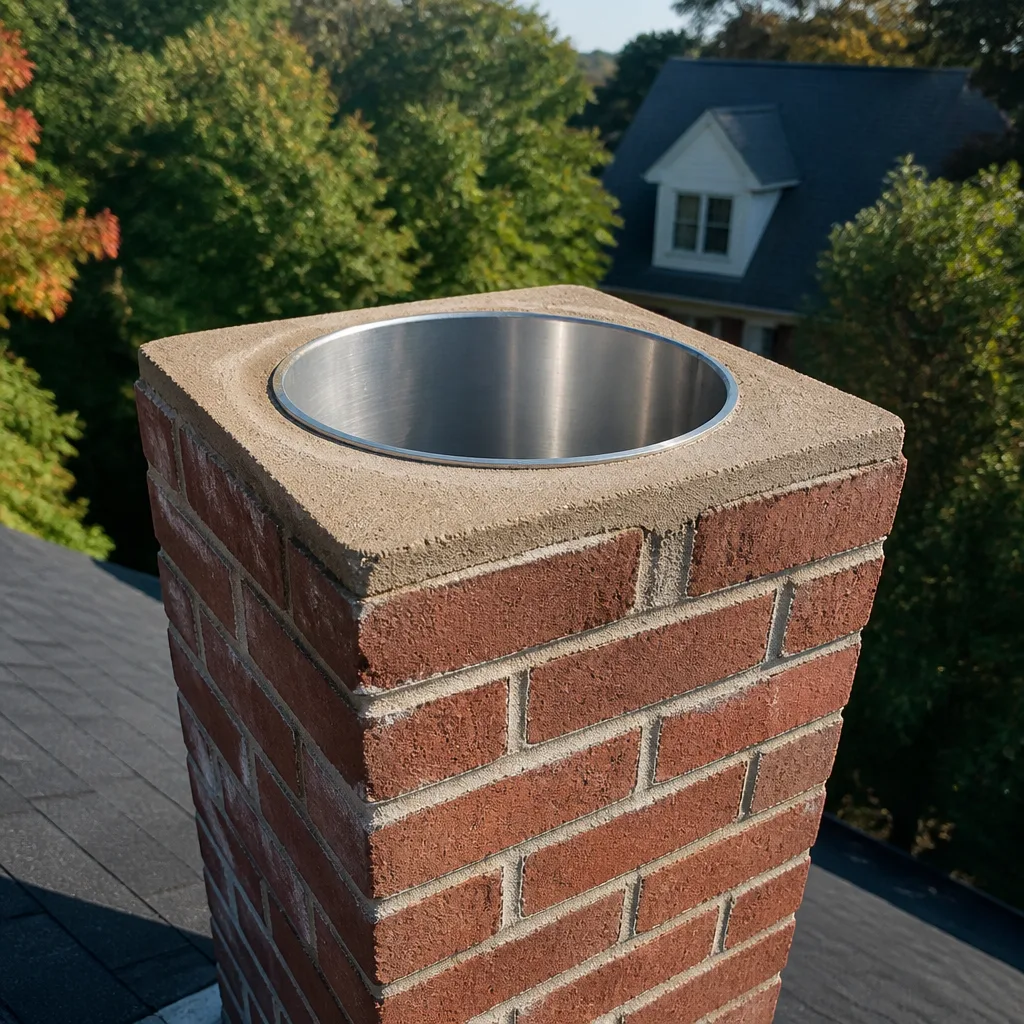
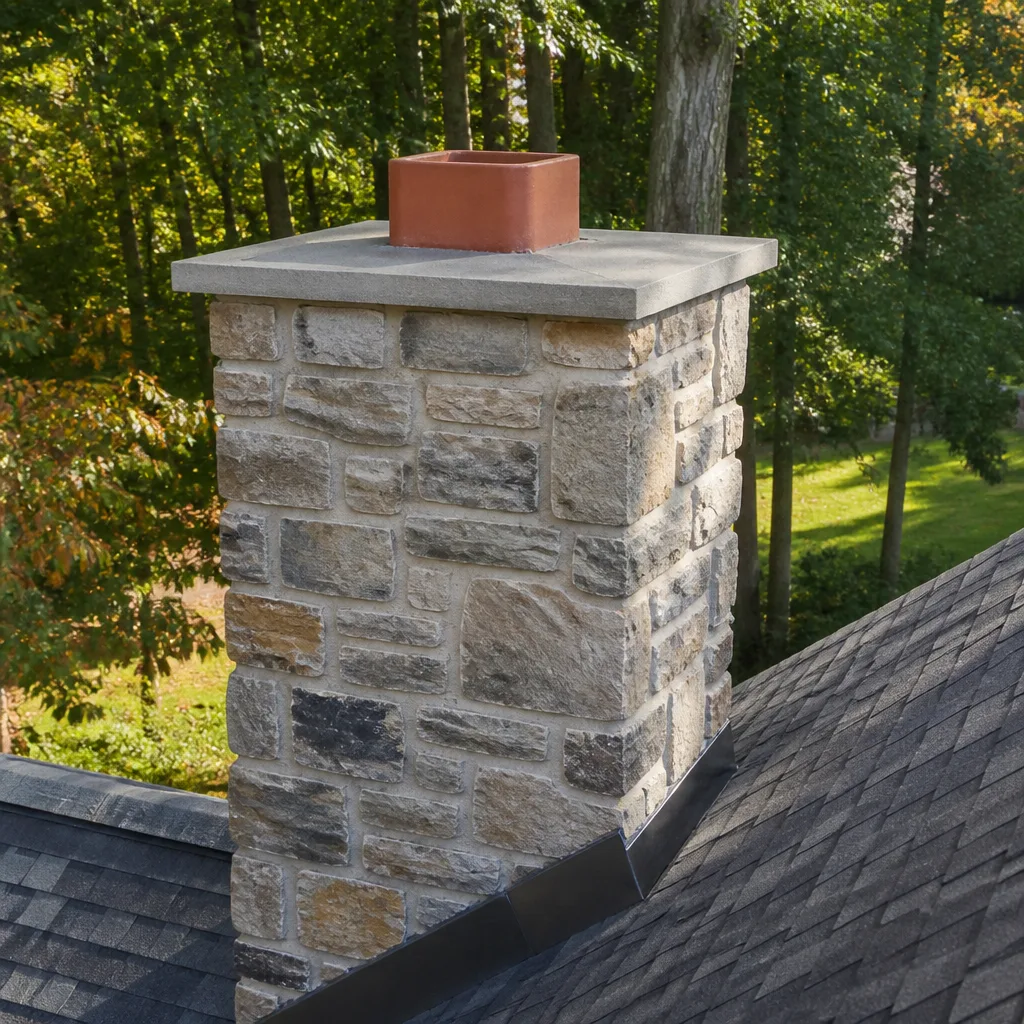
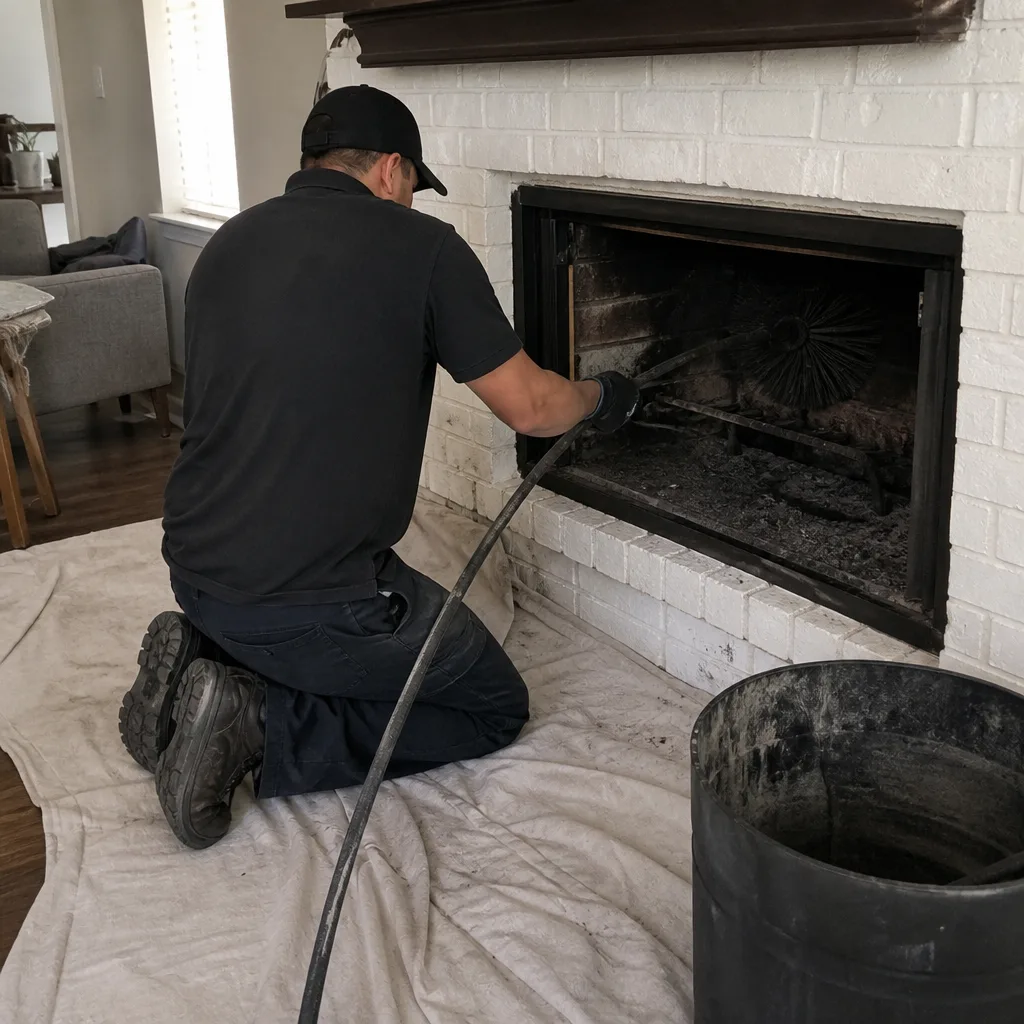
Level 1 sweep and inspection to the NFPA 211 annual standard - flue, crown, cap, and flashing checked and photographed
Chimney sweep logs do not sweep chimneys. They loosen some creosote - which then falls where a brush and vacuum still have to collect it.
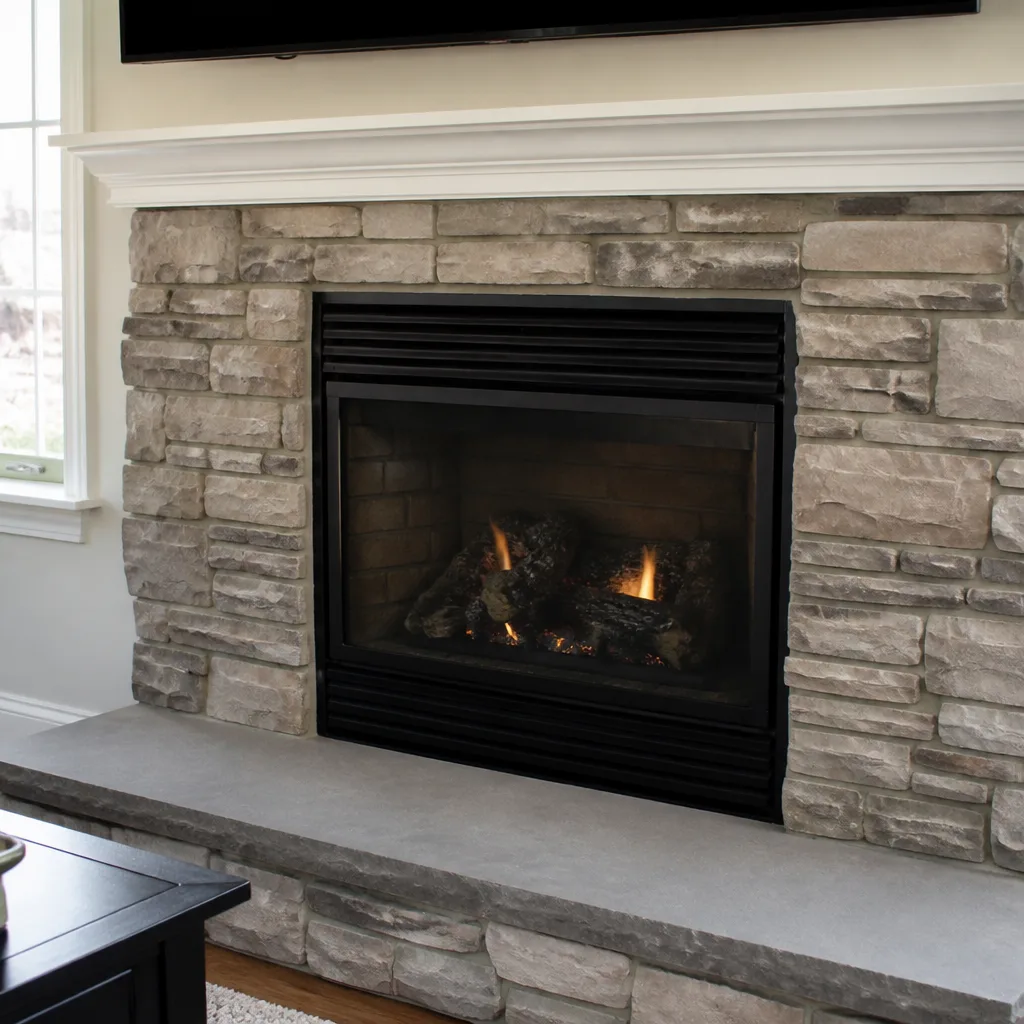
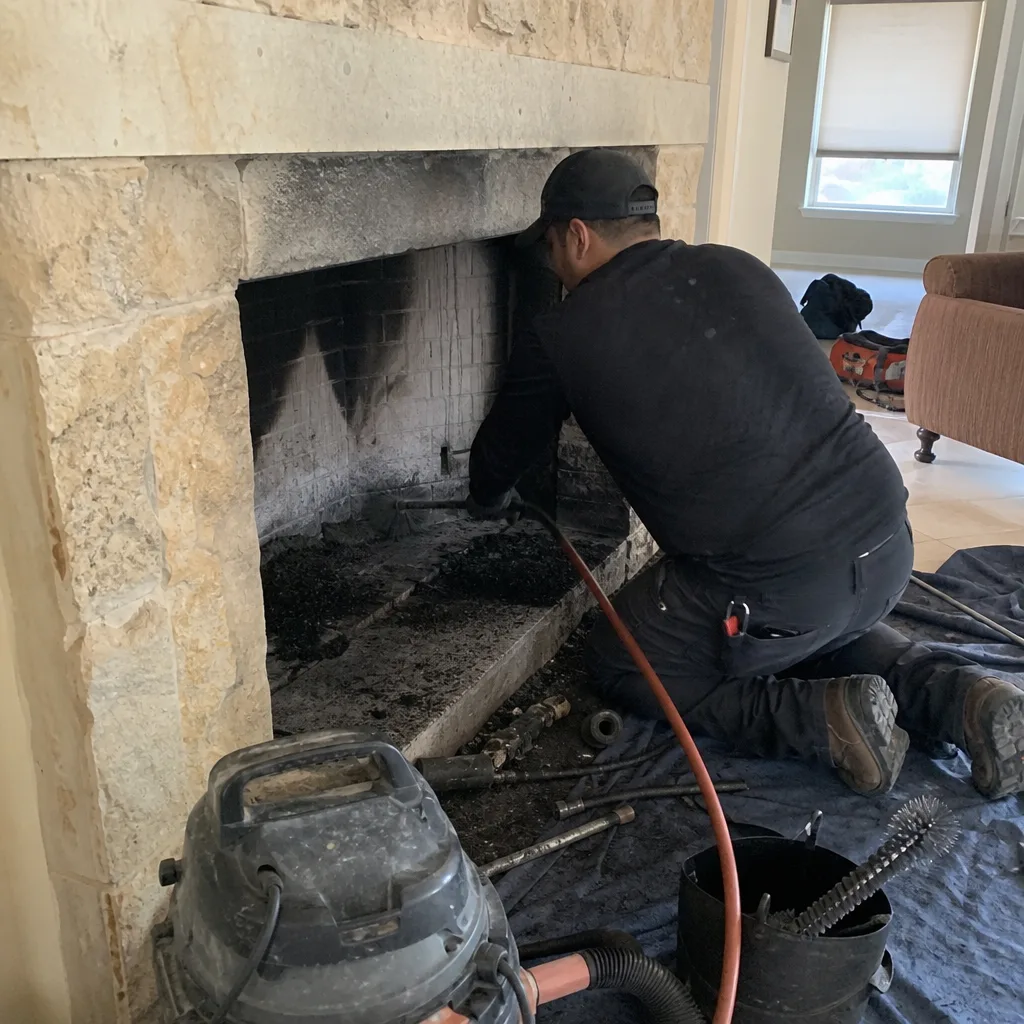 Before
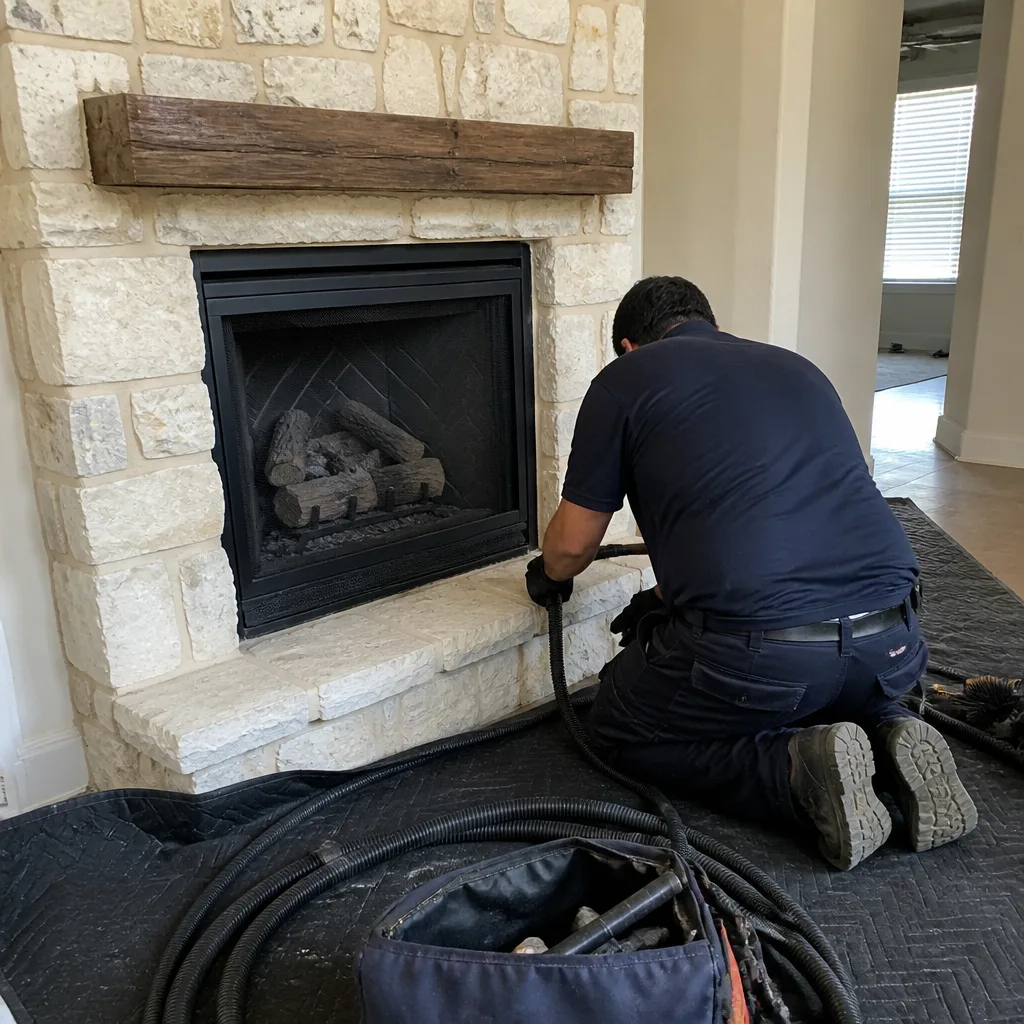 After
After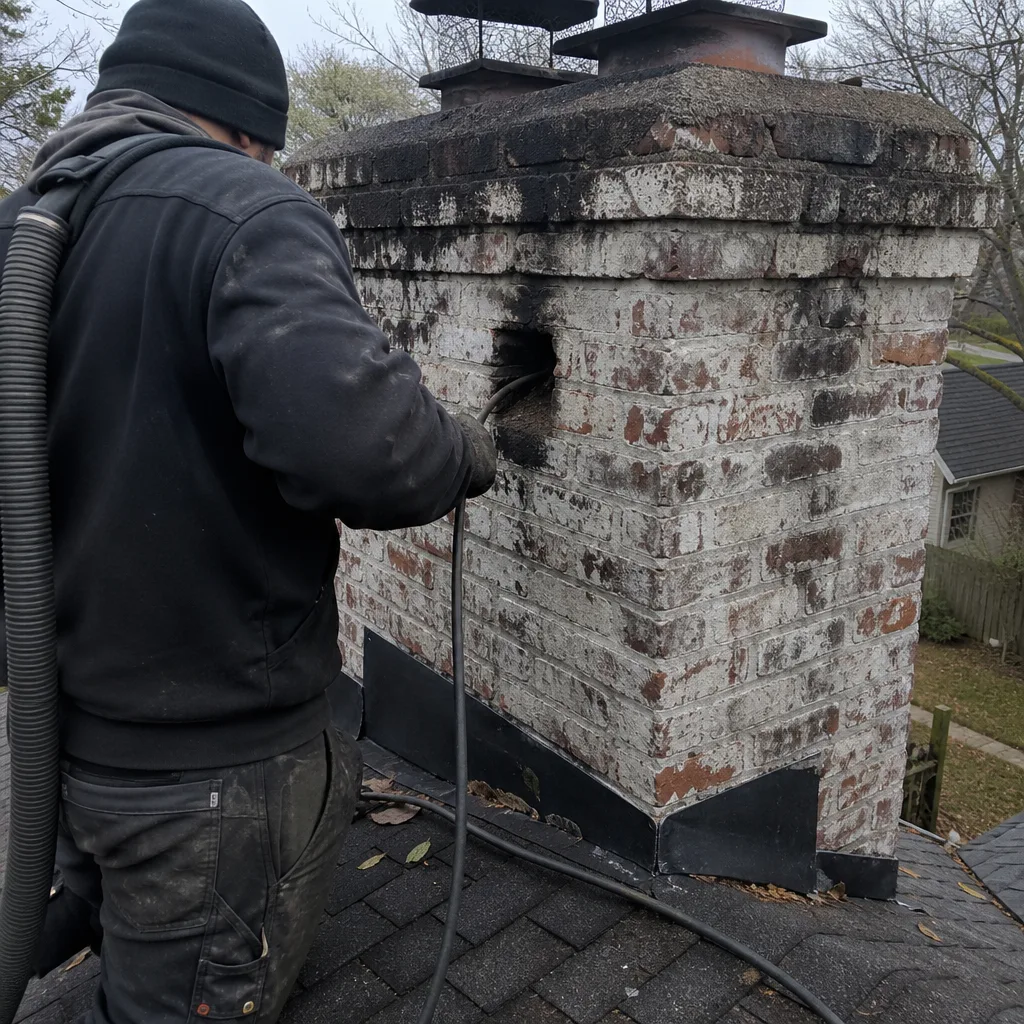 Before
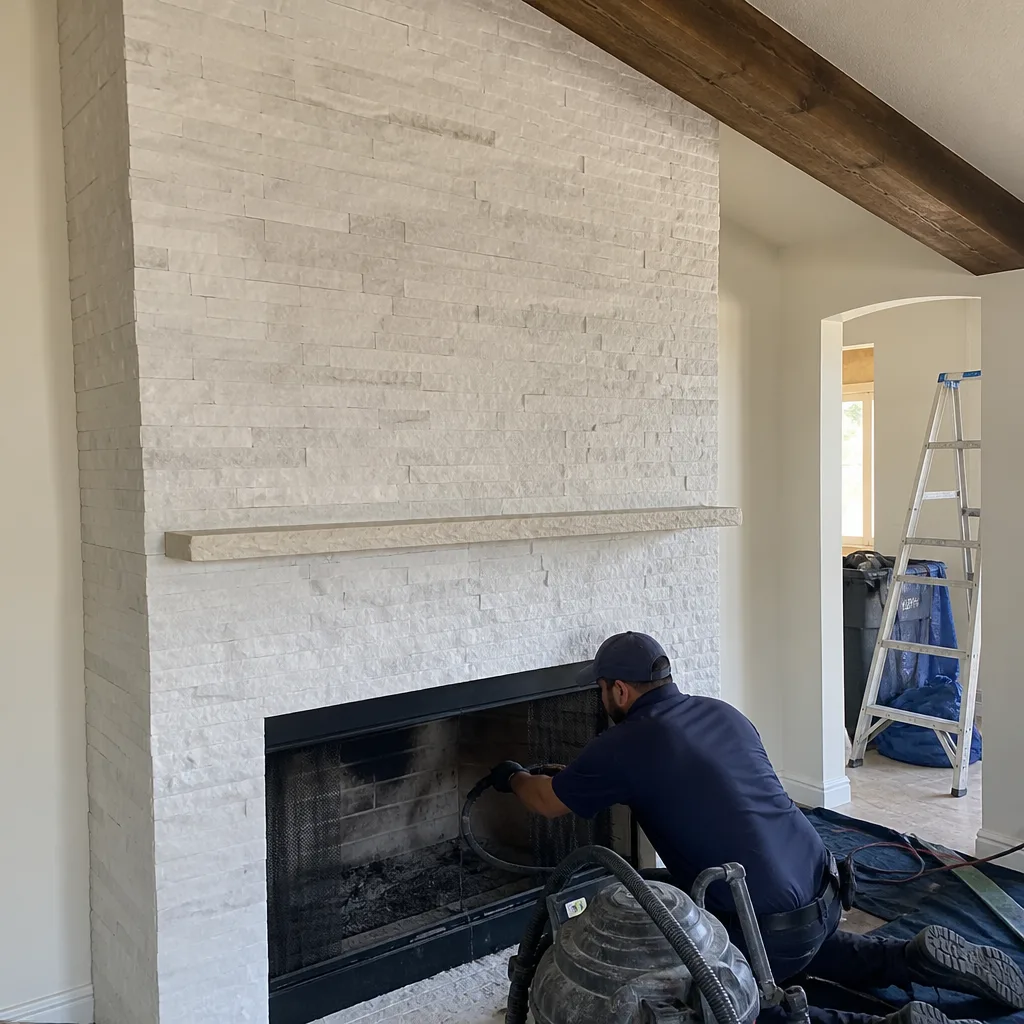 After
After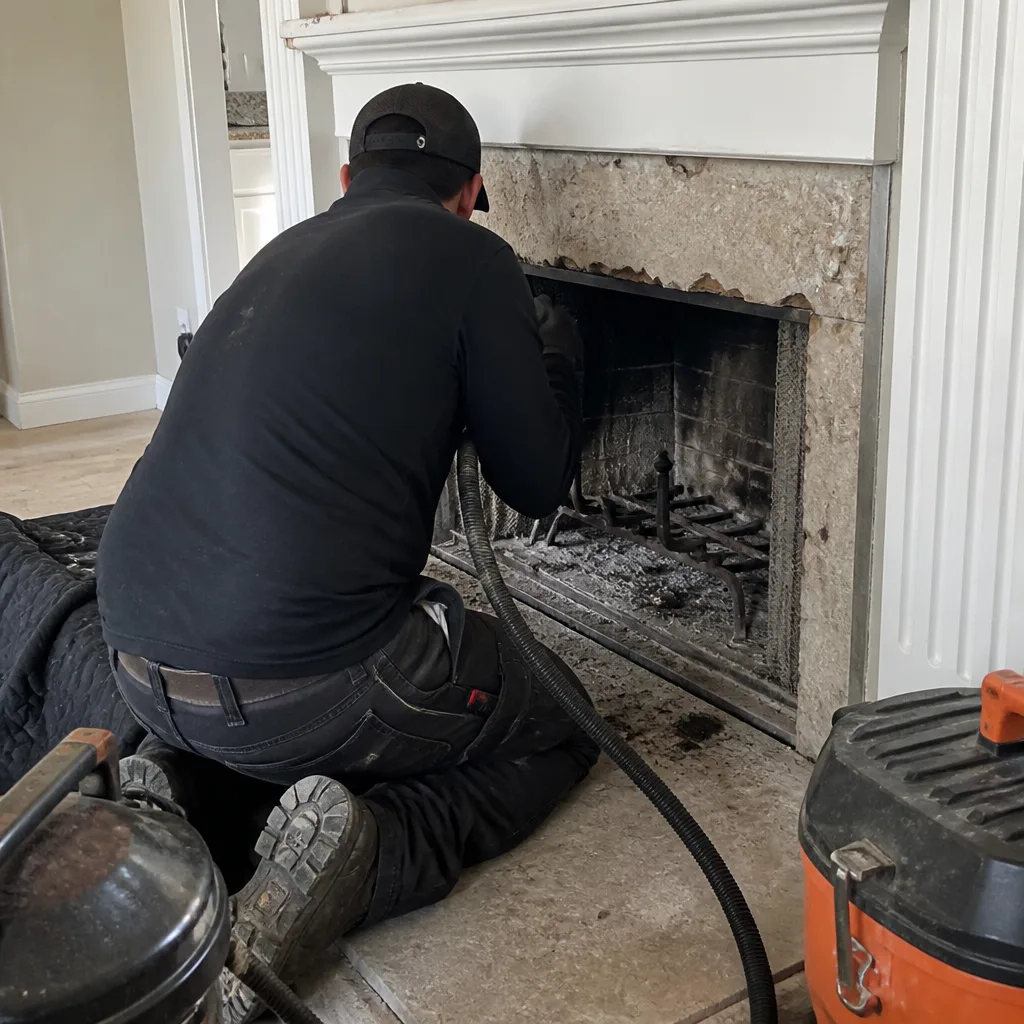 Before
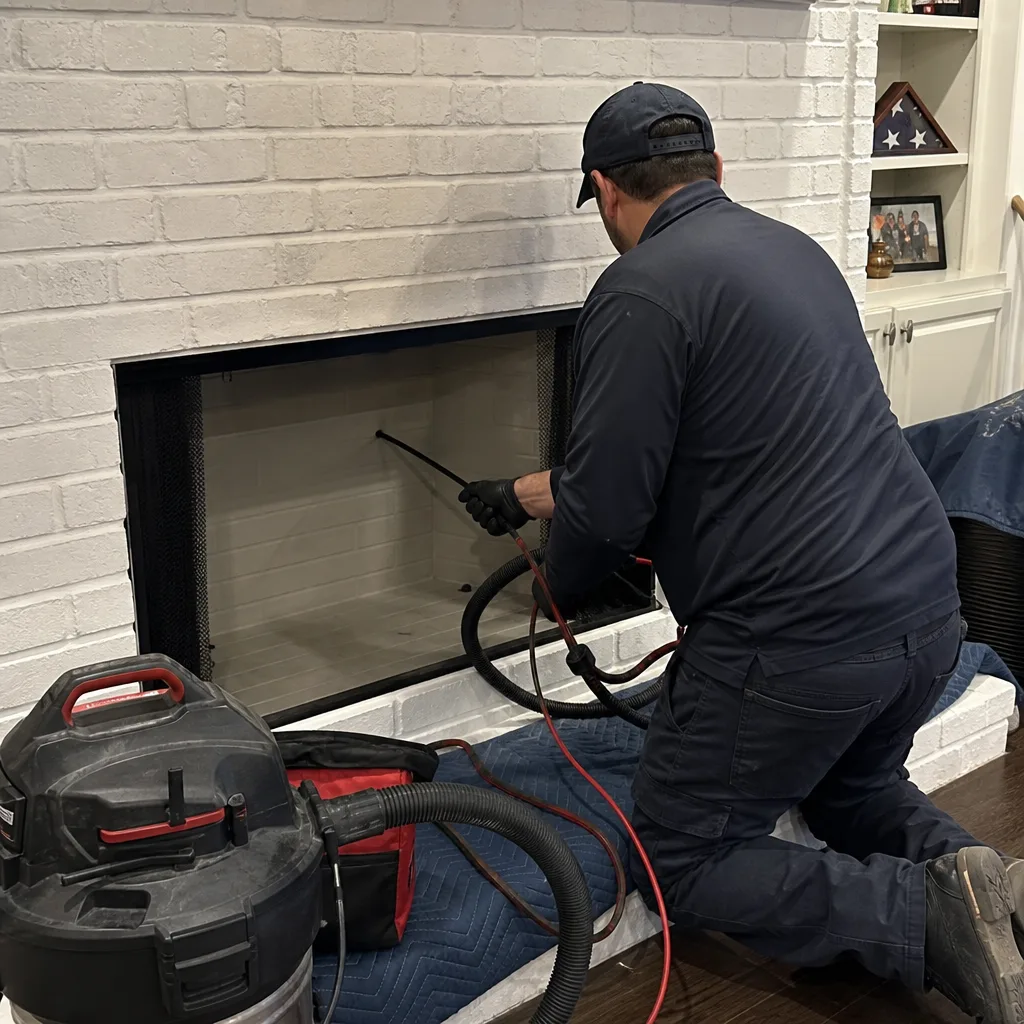 After
AfterDIY vs Professional Chimney Cleaning: The Dallas Homeowner’s Decision Guide
The brushes, rods, and drop cloths for a DIY chimney cleaning cost about $180 at a Dallas hardware store. The part the kit can’t replicate is knowing whether the flue you’re about to brush has a cracked liner that pushing a brush through will worsen. In our 38,000+ inspections across Dallas since 2009, we’ve found that the homeowners most confident about DIY cleaning are often the ones who needed a camera inspection most. This guide walks you through when DIY chimney cleaning is reasonable, what it physically cannot accomplish, and how to make the decision based on evidence rather than optimism. For more guides & resources on chimney maintenance, visit our blog.
Quick Answer
DIY chimney cleaning in Dallas is reasonable only for single-story homes with straight terra cotta flues, confirmed stage-1 creosote, and no history of structural concerns. Most Dallas homes built after 1985 fail at least one of these criteria due to offset flue designs, factory-built metal liners, or previous chimney fire damage. Professional cleaning with camera inspection is the safer default because it documents liner condition before any brush touches the flue.
Table of Contents
- When DIY Chimney Cleaning Is Actually Reasonable
- What DIY Kits Cannot Detect: The Camera Gap
- The Equipment Reality: Rotary Systems vs. Brush Kits
- How Dallas Climate Affects Creosote Buildup
- Insurance, Documentation, and the DIY Record Gap
- Safe Homeowner Maintenance Between Professional Sweeps
- Cost Comparison: DIY vs. Professional in Dallas
- Common Mistakes to Avoid
- When to Call a Professional
- Frequently Asked Questions
BeforeAfterWhen DIY Chimney Cleaning Is Actually Reasonable
There is exactly one set of conditions under which we tell Dallas homeowners that DIY cleaning is a defensible choice. All four must be true simultaneously. Missing even one shifts the risk profile dramatically.
- Single-story construction. The flue is accessible from the roof without ladder work above 15 feet, and the chimney top is flat and stable enough to stand on.
- Straight terra cotta flue liner. No offsets, no bends, no transition to metal. The flue runs vertically from firebox to crown with no deviation.
- Confirmed stage-1 creosote. A previous professional inspection within 12 months verified flaky, sooty creosote (not glazed or tar-like) and documented intact liner conditions.
- No prior structural concerns. No history of chimney fires, no spalling brick, no deteriorated mortar joints, no previous liner damage.
Here’s why this matters in Dallas specifically. The post-1985 housing boom in neighborhoods like Lake Highlands, Richardson Heights, and parts of Garland produced thousands of homes with factory-built fireplaces and metal flue systems. These aren’t designed for brush access at all. The flexible metal liners in these units require rotary cleaning heads sized to the specific diameter, and improper brushing can dislodge the liner from its top anchor or damage the flex joints.
Older homes in Lakewood, M Streets, or Kessler Park often have terra cotta liners, but they’ve endured 50-80 years of North Texas temperature swings. Summer highs above 105°F and winter freezes below 20°F create thermal stress that cracks liners in ways invisible from the firebox or roof. We’ve pulled camera footage from a Lakewood bungalow where the liner looked intact from below but had a three-foot vertical crack hidden behind a soot deposit. A DIY brush would have pushed right through it.
The honest assessment: in our experience across Dallas, fewer than 15% of the chimneys we inspect meet all four criteria for safe DIY cleaning. Most homeowners who call us after attempting DIY describe a straightforward flue that turned out to have complications they couldn’t see.
What DIY Kits Cannot Detect: The Camera Gap
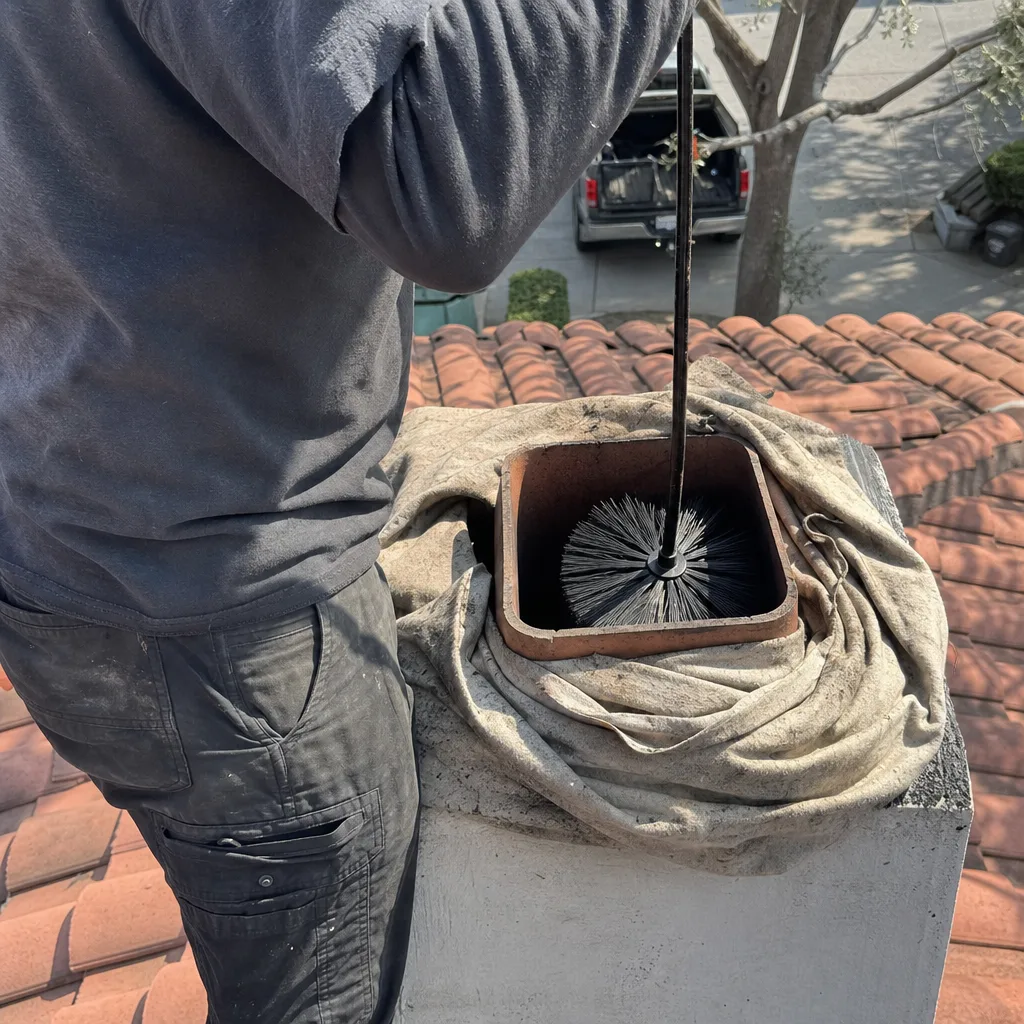
A DIY chimney cleaning kit gives you rods, brushes, and maybe a fiberglass extension. What it does not give you is eyes inside the flue. This is the critical gap, and it’s why we made camera-scan documentation the default on every job starting in 2009, years before NFPA 211 or insurers required it. That practice became Clause 4 of the Haven Standard.
Here is what a homeowner physically cannot assess without a chimney inspection camera:
- Liner integrity. Cracks in terra cotta, corrosion holes in stainless steel, and separation at liner joints all hide behind soot deposits. A brush feels resistance but cannot distinguish between creosote buildup and a liner gap.
- Offset joints. In older Dallas homes, settling foundation movement common in our clay soils can shift flue sections out of alignment. An offset joint catches brushes, damages rods, and worsens the gap.
- Blockage location and composition. Bird nests, collapsed liner pieces, and construction debris all block airflow. Knowing what the blockage is determines how to remove it safely. A brush pushes some blockages deeper.
- Smoke shelf deposits behind the damper plate. The smoke shelf, a horizontal ledge behind the firebox damper, collects fallen debris and creosote. It’s inaccessible to standard brush kits and is a common ignition source in chimney fires.
- Creosote stage classification. Stage-1 creosote brushes off. Stage-2 is crunchy and requires mechanical removal. Stage-3 is glazed, tar-like, and requires chemical treatment or rotary tools. Only visual inspection distinguishes them.
The camera we use on every Chimney Cleaning & Sweep in Dallas is a high-resolution unit on a flexible cable, pushed from the firebox to the crown. It records video and still images stored to the job record. The homeowner sees what we see in real time on a tablet screen. When we find stage-3 creosote in a Preston Hollow chimney or a cracked liner in a Bluffview home, the footage becomes the basis for a written scope and written price before any work proceeds. That’s Haven Standard Clause 1: have it in writing.
Without this documentation, a DIY cleaner is operating on assumption. The assumption that the liner is intact. The assumption that the creosote is stage-1. The assumption that no blockage waits above the smoke shelf. In our 38,000+ inspections, these assumptions have proven wrong often enough that we won’t perform a cleaning without camera verification first.
The Equipment Reality: Rotary Systems vs. Brush Kits
DIY brush kits and professional rotary systems do not perform the same function. They don’t even clean the same surfaces effectively. Understanding the difference explains why professional cleaning produces measurable results that DIY cannot replicate.
DIY brush kit (typical $180 hardware store purchase):
- Polypropylene or wire bristles on a threaded rod system
- Manual push-pull operation from the roof or firebox
- Single diameter per brush head
- No mechanical action beyond human arm strength
Professional rotary cleaning system (used on every Emberly job):
- Spinning whip heads or chains driven by a variable-speed drill at 500-1,500 RPM
- Centrifugal force expands the head to match flue diameter dynamically
- HEPA vacuum collection at the firebox to contain debris
- Chemical treatment capability for stage-3 creosote when needed
The rotary system doesn’t just move creosote around. It fractures bonded deposits and evacuates them through vacuum collection. A brush kit, by contrast, often packs creosote tighter against the flue wall or drops it onto the smoke shelf where it remains a hazard. We’ve inspected Dallas chimneys where the homeowner “cleaned” annually for years, yet camera footage revealed packed stage-2 creosote the brush never touched.
Materials matter too. The professional systems we deploy use components from Copperfield and DuraFlex for liner compatibility, and chemical treatments from HeatShield when glazed creosote requires softening before mechanical removal. These aren’t retail products. They’re trade-specific tools sized to NFPA 211 standards and matched to the flue type we document during camera inspection.
For Dallas homeowners with metal factory-built chimneys, the equipment gap is wider. These systems require manufacturer-specific cleaning heads and vacuum adapters. The wrong tool voids warranties and can damage the flex liner. We source materials through Haven’s buying network specifically to keep customer prices honest, but the critical point is that the right tool for your specific flue isn’t available at a hardware store.
How Dallas Climate Affects Creosote Buildup
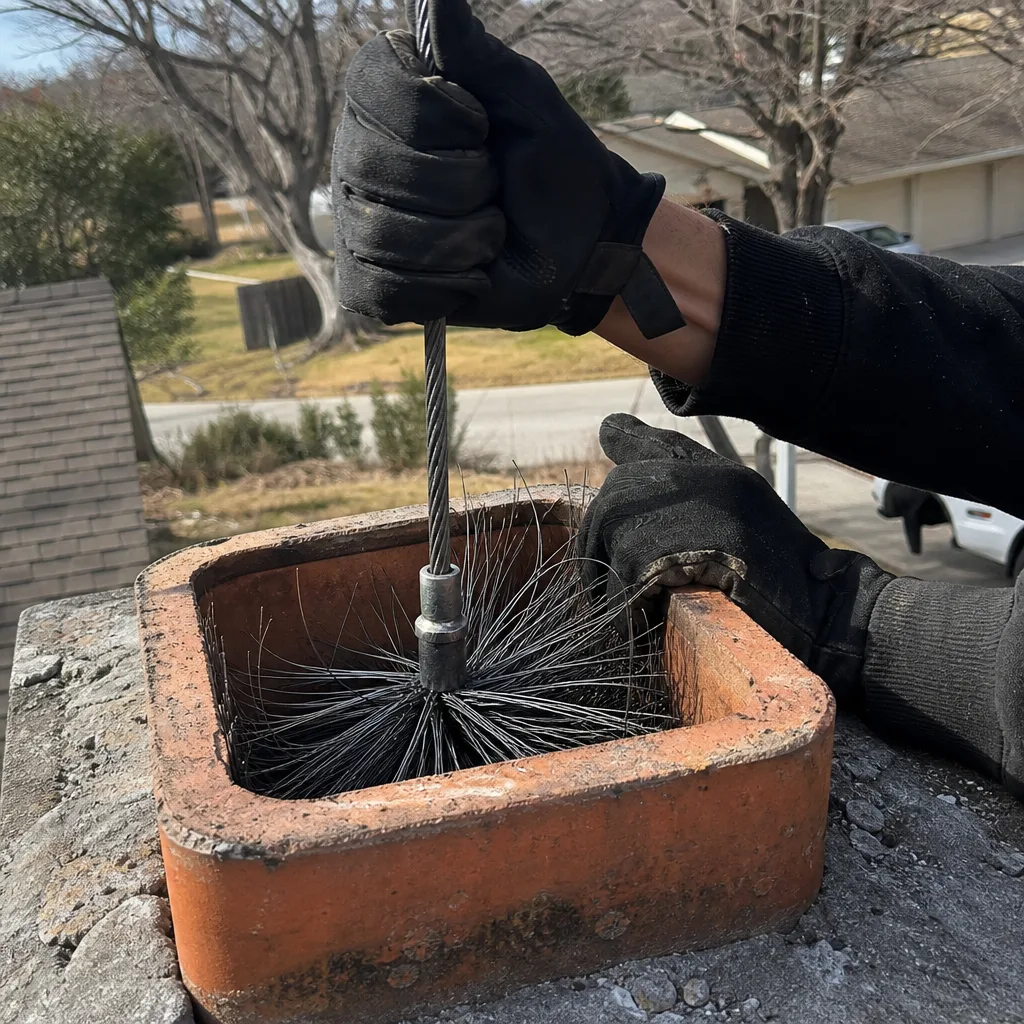
North Texas weather patterns create creosote conditions that differ from northern climates, and this affects the DIY vs. professional calculation. Our Seasonal Chimney Cleaning Care for Dallas: Year-Round Homeowner’s Guide explains how each season impacts your flue.
Dallas winters are mild and intermittent. A homeowner might run the fireplace for three evenings in January, then not again for two weeks. This start-stop pattern produces more creosote per burn hour than continuous cold-weather use. Here’s why: each cold start sends cooler exhaust up a flue that has chilled between fires. The cooler flue walls condense more unburned hydrocarbons into creosote. In Minnesota, a flue stays warm all season. In Dallas, it cools down repeatedly.
Our spring storm season introduces another variable. Driving rain from March through May saturates chimney crowns and seeps into flue liners. Moisture plus creosote creates acidic compounds that accelerate liner deterioration. We’ve documented accelerated spalling in Dallas chimneys where moisture intrusion went undetected because no camera inspection occurred. A DIY brush can’t tell you if last week’s hailstorm cracked your crown and started water working on your liner.
Summer humidity compounds the issue. From June through September, Dallas relative humidity regularly exceeds 70%. A flue that isn’t properly capped becomes a condensation chamber. The creosote absorbs moisture, becomes heavier and more acidic, and bonds more tightly to liner surfaces. Stage-1 creosote can advance to stage-2 over a single humid summer if the chimney isn’t capped or the cap is damaged.
This climate reality means that Dallas chimneys often need more frequent professional assessment than national averages suggest. The NFPA 211 guideline of annual inspection assumes typical use in typical climates. Our experience in Dallas suggests that intermittent use plus humidity plus storm exposure creates conditions where camera inspection every 12 months isn’t conservative, it’s baseline.
Insurance, Documentation, and the DIY Record Gap
A professional chimney cleaning produces four documents that a DIY cleaning cannot. In our experience, these documents matter most when they matter most: after a fire, during a home sale, or when an insurance claim is filed.
- Written scope of work. What was done, what was found, what was recommended. Dated and signed.
- Photo/video record. Before, during, and after documentation of flue condition. Clause 4 of the Haven Standard requires this on every job.
- Written price and warranty. What was charged, what is guaranteed. Our 365-Day Done Right Promise is stamped on every job.
- Professional verification. A licensed, background-checked technician’s assessment, with license number recorded.
The insurance implications are specific and worth understanding. Homeowner’s policies typically cover chimney fire damage, but adjusters look for evidence of maintenance. A DIY cleaning has no timestamped record, no professional verification, and no photo documentation. If an adjuster questions whether the chimney was properly maintained, the homeowner’s word competes against the absence of evidence.
In Dallas real estate transactions, this documentation gap is sharper. Buyers in competitive markets like Uptown, Bishop Arts, or the Design District increasingly request chimney inspection reports. A seller who DIY-cleaned has nothing to provide. A seller with Emberly documentation has dated photos, a written scope, and a transferable record of professional care. We’ve provided documentation for dozens of Dallas home sales where the inspection record became a selling point rather than a negotiation obstacle.
The Free Second Opinion we offer on any competitor’s written estimate also depends on documentation. Bring us another company’s scope and price, and we’ll review it against what our camera finds. Without a written scope, there’s nothing to review. DIY cleaning has no scope to bring.
Safe Homeowner Maintenance Between Professional Sweeps
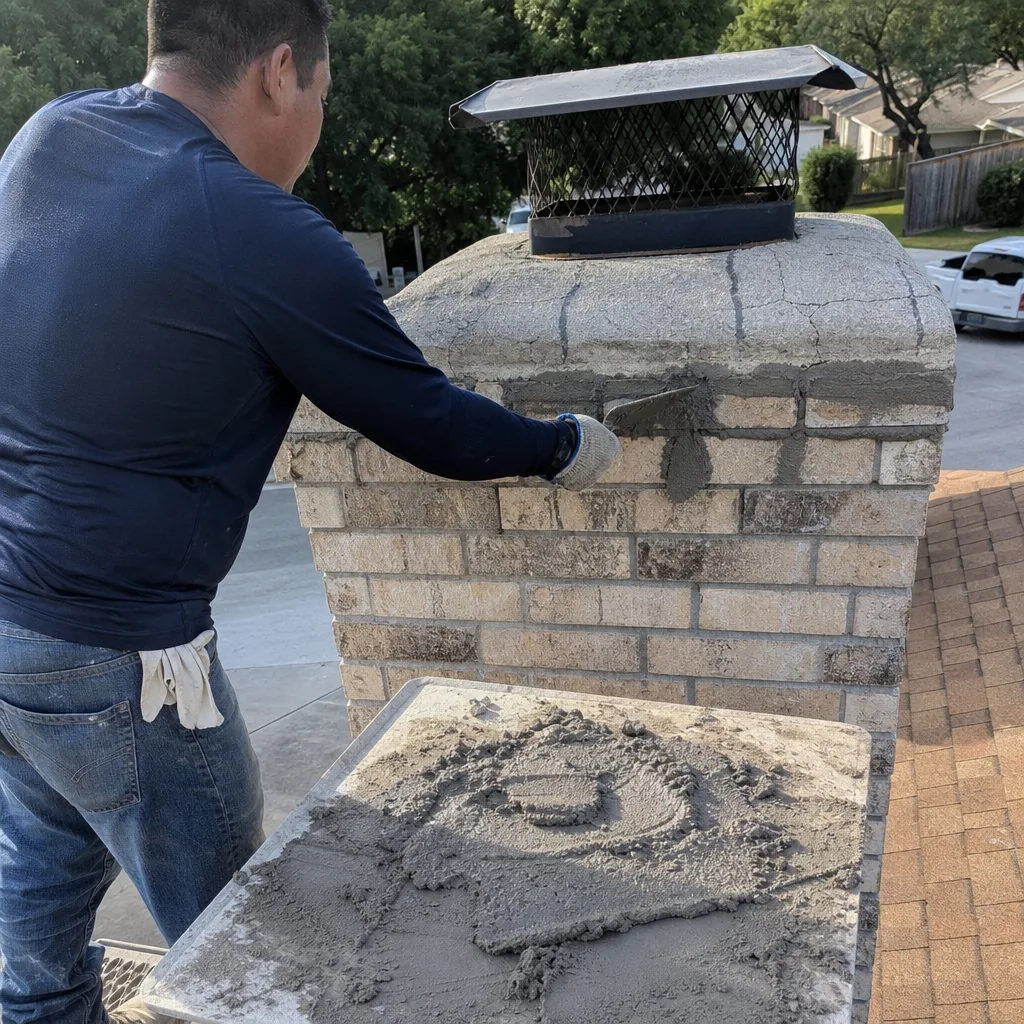
Between professional cleanings, there is meaningful maintenance Dallas homeowners can perform safely. These tasks don’t replace camera inspection or rotary cleaning, but they reduce risk and extend the interval between professional visits in some cases.
Safe homeowner tasks:
- Ash removal. Wait 24 hours after last use. Wear an N95 mask. Shovel cool ashes into a metal container with a tight lid. Store outside on concrete, away from structures, for at least three days before disposal. Dallas’s dry fall conditions mean hot ashes can ignite landscaping mulch.
- Cap visual check. From ground level with binoculars, inspect for visible damage: bent mesh, missing screws, rust holes, or displacement after wind events. Dallas spring storms dislodge caps regularly.
- Damper operation test. Open and close the damper fully. It should move smoothly and seat completely. A stuck damper indicates creosote buildup or mechanical failure that needs professional attention.
- Firebox crack inspection. Visually check refractory panels for cracks wider than a nickel. Hairline cracks are normal; gaps that expose the metal firebox shell need professional repair.
- Exterior brick and mortar check. From ground level, look for spalling (flaking brick faces), missing mortar, or white efflorescence staining. These indicate moisture intrusion that will worsen the flue condition.
What homeowners should not do:
- Do not attempt to clean the flue with a brush without camera verification of liner condition first.
- Do not use chemical creosote removers marketed as “sweep logs” without knowing creosote stage. These products can loosen stage-2 and stage-3 deposits that then fall and block the flue.
- Do not operate the fireplace if the damper doesn’t fully open or if you detect unusual odors suggesting blockage.
- Do not climb on the roof to inspect the crown or cap if you’re not comfortable on a ladder at height. Falls from Dallas single-story roofs produce serious injuries annually.
These safe tasks align with the Fireplace Services in Dallas we provide as part of comprehensive care. They’re the homeowner’s contribution to a partnership that includes professional inspection, cleaning, and repair when needed.
Cost Comparison: DIY vs. Professional in Dallas
Cost is where many Dallas homeowners start their analysis. It should not be where they end it, but the numbers matter and should be transparent. See our Chimney Cleaning Cost Breakdown: The Dallas Homeowner’s Reference for 2026 for detailed pricing factors.
| Item | DIY Approach | Professional (Emberly Chimney Cleaners Dallas) |
|---|---|---|
| Initial equipment | $140-$220 for brush kit, rods, drop cloths, safety glasses | Included in service |
| Camera inspection | Not available to homeowners; rental units $200+/day if found | Included on every visit (Haven Standard Clause 4) |
| Cleaning service | Your labor, 3-6 hours first attempt | $189-$329 for standard sweep with inspection |
| Documentation | None | Written scope, photo record, written warranty |
| Debris disposal | Homeowner responsibility; Dallas residential pickup may refuse | Included; HEPA-contained removal |
| Follow-up if problems found | Additional DIY attempts or eventual professional call | Written price for any repair before work starts |
The break-even analysis is straightforward. A DIY kit pays for itself versus one professional cleaning only if nothing goes wrong and no camera inspection is needed. In our experience, the chimneys that most need cleaning are the ones least suited to DIY methods. A homeowner who buys the kit, attempts the cleaning, discovers a liner crack or stage-3 creosote, and then calls a professional has spent $180 plus their time for no additional benefit.
For Dallas homes in historic districts or with complex rooflines, add ladder rental or the implicit cost of injury risk. We’ve responded to calls in Highland Park and University Park where the homeowner realized mid-job that their two-story chimney with steep-pitch roof wasn’t safely accessible. The kit sat unused; the professional call became urgent rather than planned.
Chimney Repair in Dallas costs more when damage is discovered late. A cracked liner caught on camera during routine cleaning might need a stainless steel insert from Famco or DuraFlex at $1,800-$3,500. The same crack, worsened by a season of DIY brushing that flexed the damaged section, can require partial rebuild at significantly higher cost. Early documentation saves money.
Common Mistakes to Avoid
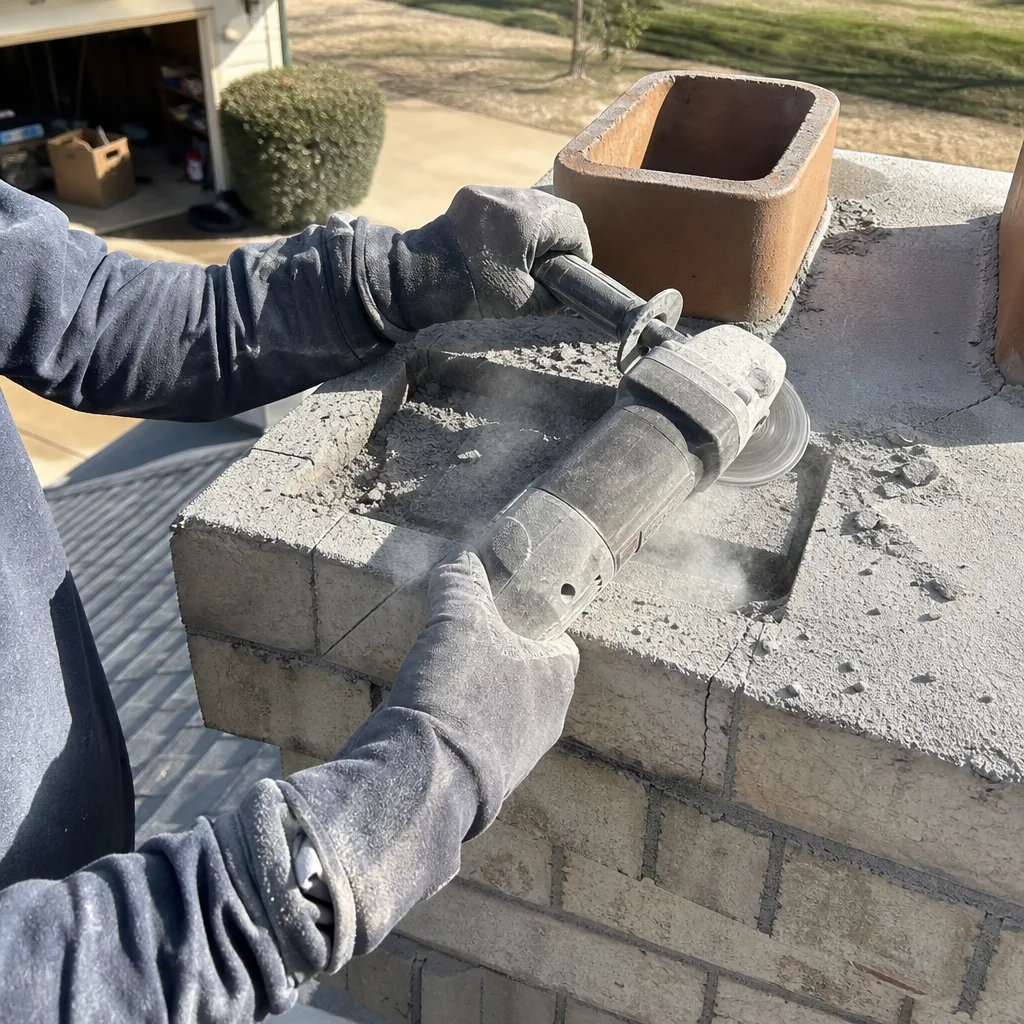
- Assuming a clean firebox means a clean flue. The firebox is visible and gets casual cleaning. The flue above it accumulates creosote out of sight. We’ve inspected Dallas chimneys where the firebox was spotless and the flue was packed with stage-3 glaze.
- Using the wrong brush diameter. A brush too small doesn’t contact the flue walls. A brush too large jams and can crack terra cotta. Most DIY kits include one or two sizes; professional systems match the brush to the measured flue.
- Cleaning from the roof without securing the ladder. Dallas homes with composite shingle roofs become slick with creosote dust and morning dew. Ladder falls during DIY chimney cleaning are a documented injury pattern in ER data.
- Ignoring the smoke shelf. Debris falls from the flue and collects on this ledge behind the damper. It’s a common ignition source and is completely inaccessible to standard brush kits. Only professional vacuum systems and specialized tools reach it.
- Using chemical logs as a substitute for cleaning. These products loosen creosote but don’t remove it. The loosened material can fall and block the flue, or ignite in concentrated deposits. They’re a maintenance supplement, not a replacement.
- Skipping inspection after a chimney fire. Even a small chimney fire (often unnoticed, sounding like wind or a low rumble) can crack liners. A homeowner who cleans after a fire without camera inspection is brushing a potentially compromised flue. In Dallas’s older housing stock, we’ve found fire damage the homeowner didn’t know occurred.
- Assuming new construction means clean systems. Dallas’s building boom produced homes with construction debris in chimneys: dropped mortar, wood scraps, even worker trash. We’ve found unremoved debris in chimneys never used, creating blockage hazards for first fires.
When to Call a Professional
Call a professional before attempting DIY cleaning if your home has any of these characteristics: two or more stories, a metal or flexible flue liner, any history of chimney fire or liner repair, visible exterior damage, or if you don’t know the creosote stage from a camera inspection within 12 months. Read our How to Hire a Chimney Cleaning Contractor in Dallas: A Step-by-Step Guide to know what to look for. Also call if you detect unusual odors, experience smoke backup, or find debris falling into the firebox.
Emberly Chimney Cleaners Dallas offers free estimates in Dallas. Every estimate includes camera inspection, written scope, and written price before any work begins. Call (972) 284-1392 to schedule. Our background-checked, uniformed technicians arrive on schedule with license information displayed, and you’ll receive a text when they’re on the way.
Frequently Asked Questions
Professional chimney cleaning with camera inspection in Dallas typically ranges from $189 to $329 for standard residential service. Two-story homes, steep roof access, or stage-3 creosote requiring chemical pretreatment fall at the higher end. We deliver a written price before any work starts, with no hidden fees. Call (972) 284-1392 for an exact quote based on your specific chimney - estimates are free.
You should not pay for liner replacement without seeing camera footage that shows the specific damage. At Emberly Chimney Cleaners Dallas, we show you the footage before recommending any work. A cracked or separated liner is a genuine safety issue that can allow heat and combustion gases into wall cavities. But the decision should be based on documented evidence you can see, not a technician’s word. Our Free Second Opinion on any written estimate lets you compare our camera findings against another company’s recommendation.
NFPA 211 recommends annual inspection for all chimneys, with cleaning frequency determined by creosote accumulation. In Dallas’s climate, most wood-burning chimneys need cleaning every 1-2 cord-burning seasons depending on wood dryness and burning habits. Gas fireplaces need less frequent cleaning but still require annual inspection for venting integrity. The definitive answer comes from camera inspection that measures actual creosote depth and stage.
Skipped cleaning allows creosote to accumulate and harden from stage-1 to stage-2 or stage-3. Stage-3 creosote ignites at lower temperatures and burns intensely, causing chimney fires that crack liners and can spread to structure. Even without fire, accumulated creosote restricts airflow, causing poor combustion, carbon monoxide risk, and smoke backup into living spaces. In Dallas’s humid summers, uncleaned creosote absorbs moisture and becomes more acidic, accelerating liner deterioration. The cost of deferred maintenance typically exceeds the cost of routine cleaning by a significant margin.
A standard shop vacuum lacks the HEPA filtration needed for creosote particles and the heat resistance for warm ash. Creosote is a known carcinogen; inhaling fine particles during DIY cleaning without proper respiratory protection creates health risk. Professional systems use HEPA-contained vacuum collection specifically designed for combustion byproducts. For ash removal from a fully cooled firebox, a shop vacuum with fine dust bags is acceptable, but flue cleaning requires professional equipment.
There is no municipal prohibition against homeowners cleaning their own chimneys in Dallas. However, homeowner’s insurance policies may require professional maintenance documentation for fireplace-related claims. Additionally, Dallas building codes require permits for liner replacement and structural chimney repair, work that DIY cleaning often reveals is needed. The legality of the cleaning itself is not the issue; the documentation gap and potential for undetected damage are.
The Bottom Line
DIY chimney cleaning in Dallas is technically possible for a narrow subset of homes: single-story, straight terra cotta flue, confirmed stage-1 creosote, no structural history. Most Dallas homes don’t qualify. The equipment gap, camera requirement, and documentation needs make professional service the safer default. Between professional visits, homeowners can safely remove ashes, inspect caps and dampers, and watch for exterior damage. The decision framework isn’t about skill or courage. It’s about whether you can verify flue condition before cleaning it. Without a camera, you can’t. We’ve made that verification standard on every job since 2009, because assumptions about hidden chimney conditions have proven costly for too many Dallas homeowners.
Written by Corrine Halstead, Owner at Emberly Chimney Cleaners Dallas, serving Dallas since 2009.