
Level 1 sweep and inspection to the NFPA 211 annual standard - flue, crown, cap, and flashing checked and photographed
Chimney sweep logs do not sweep chimneys. They loosen some creosote - which then falls where a brush and vacuum still have to collect it.
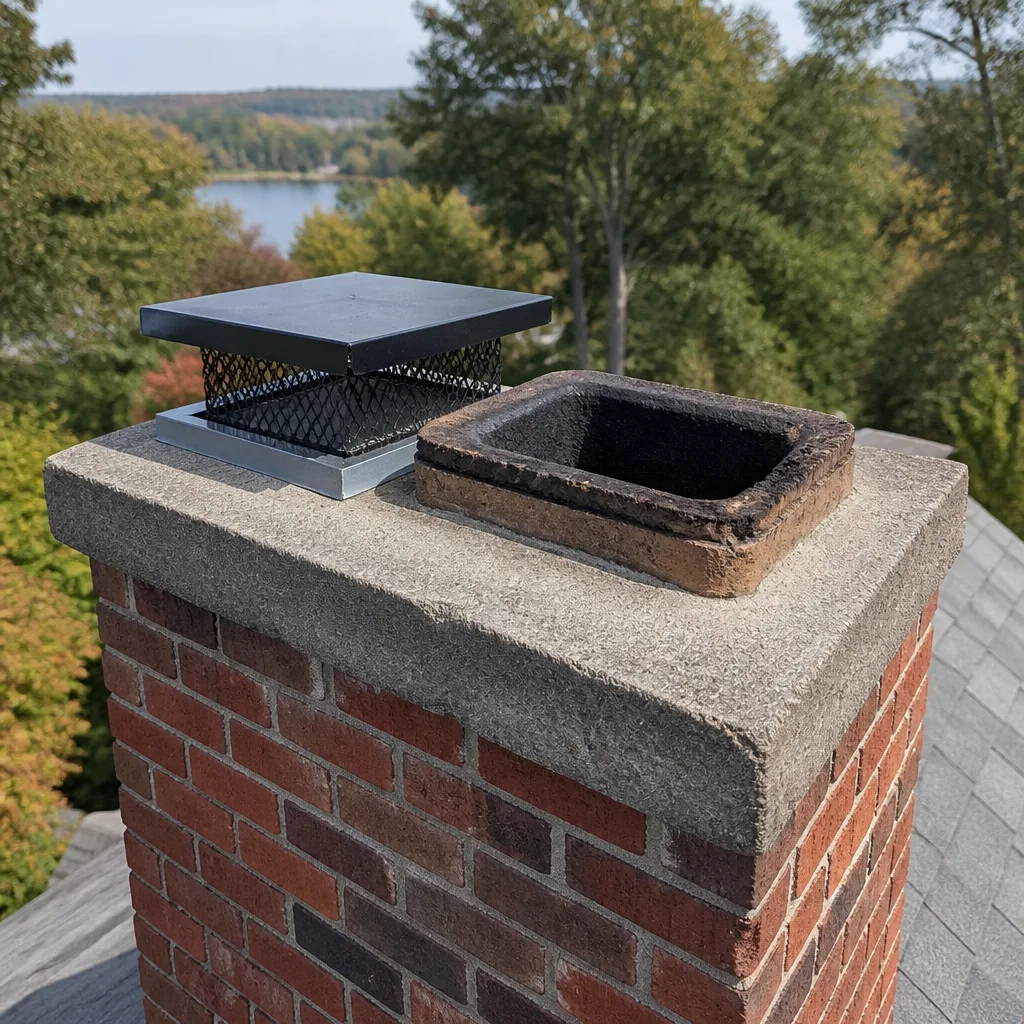
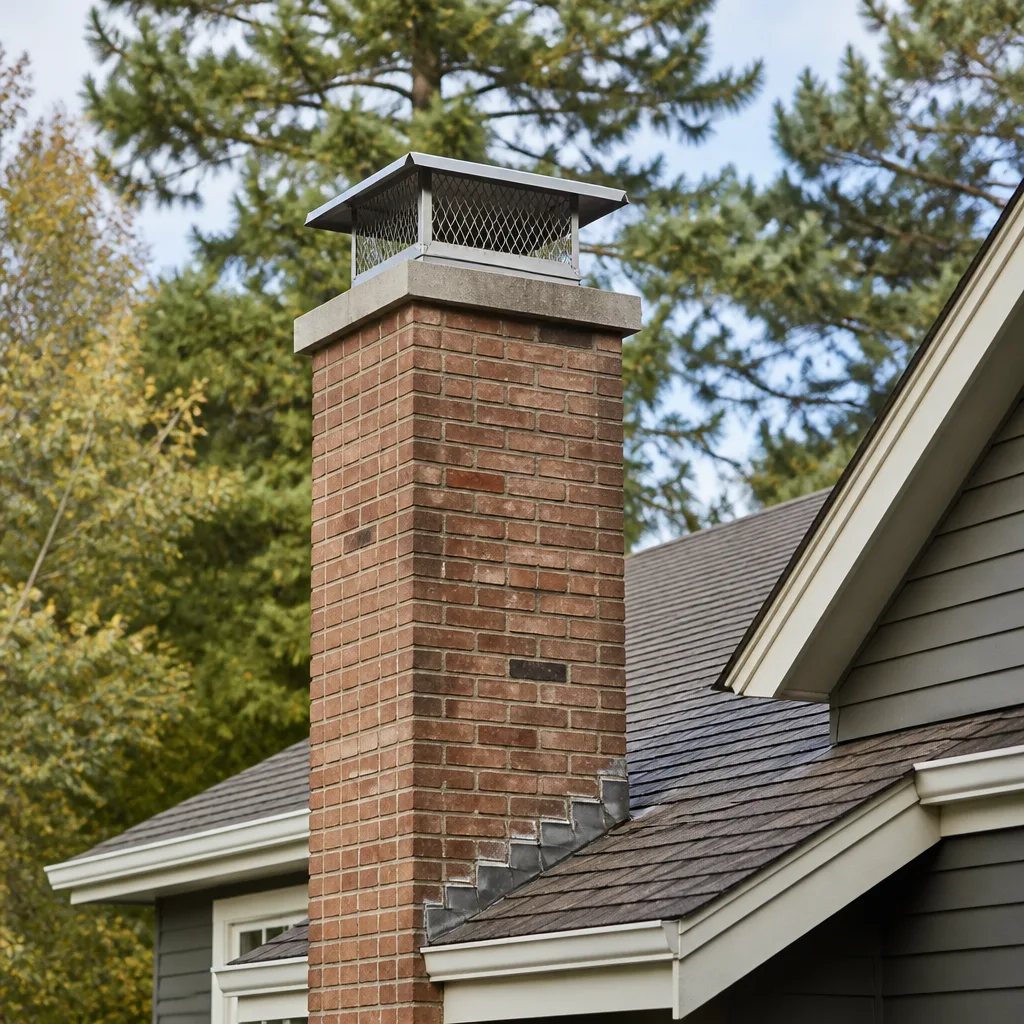
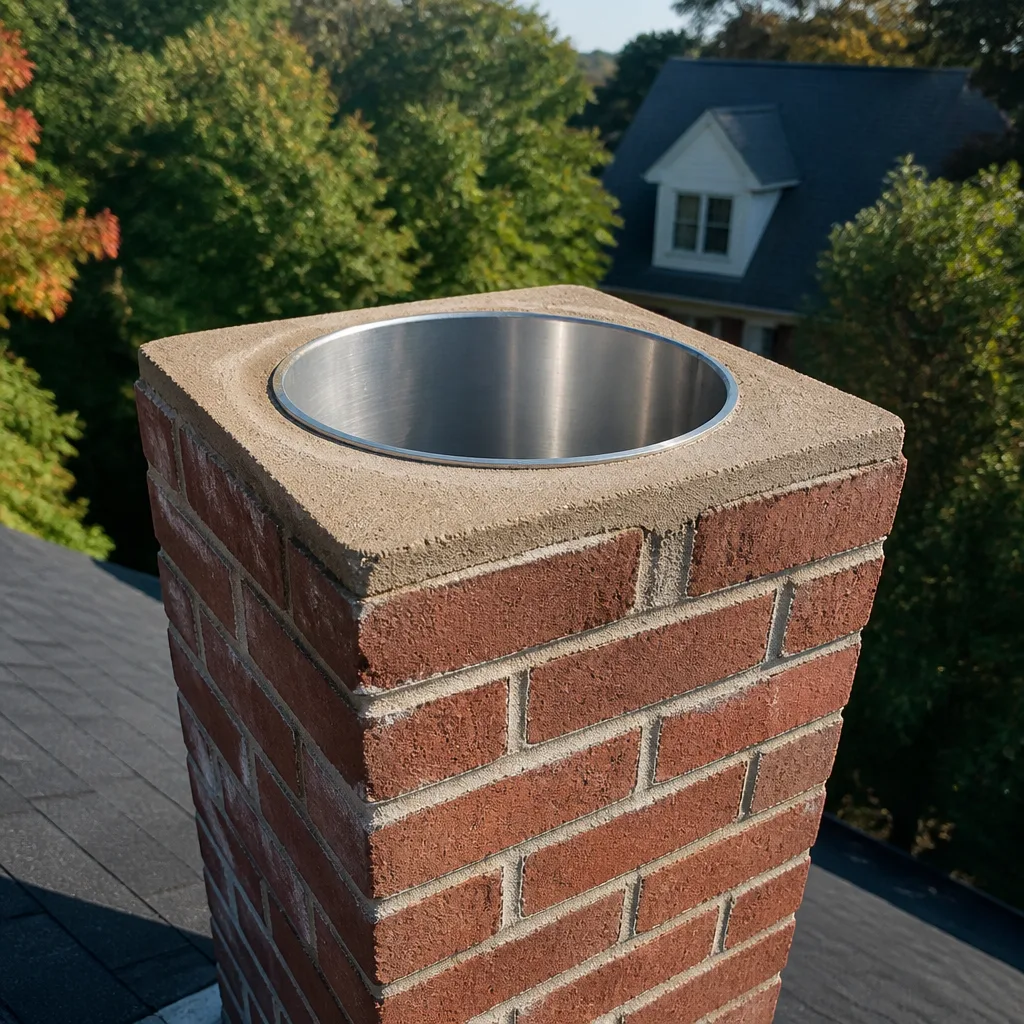
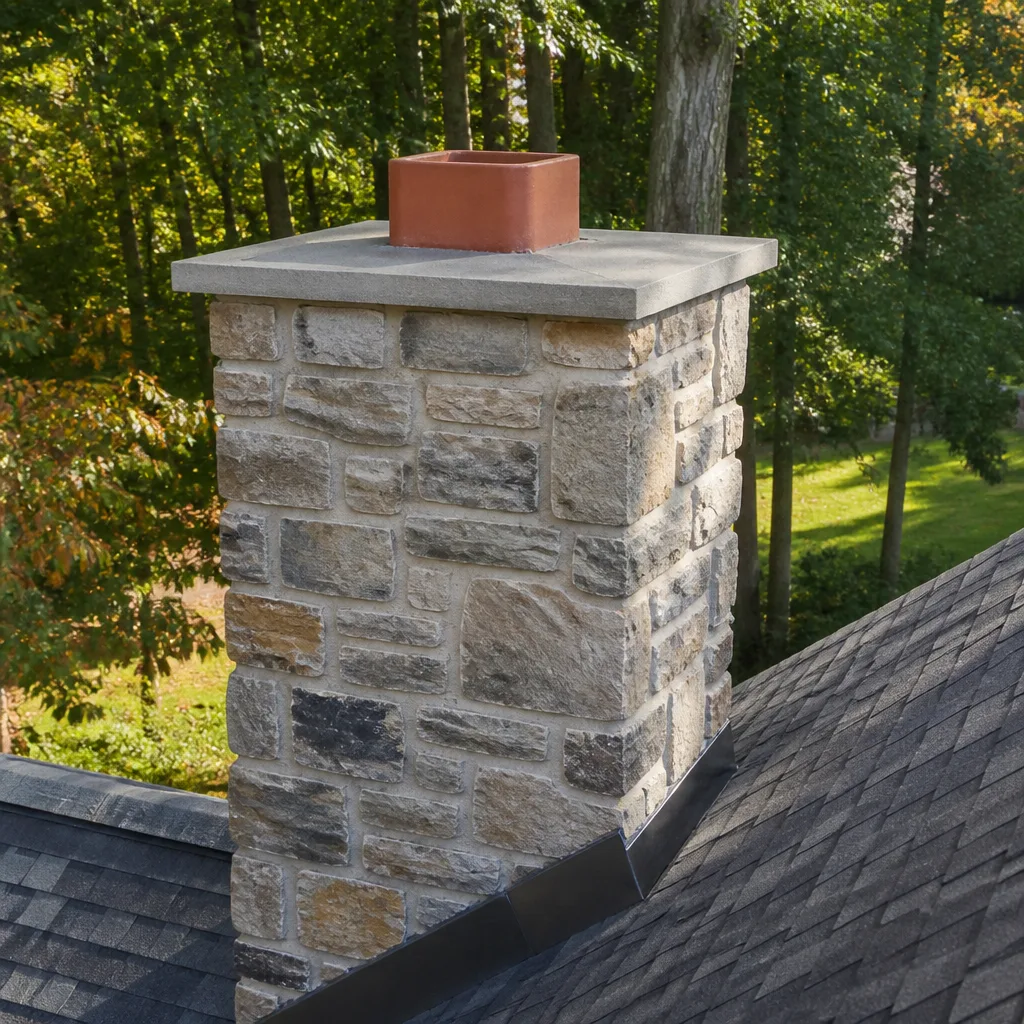
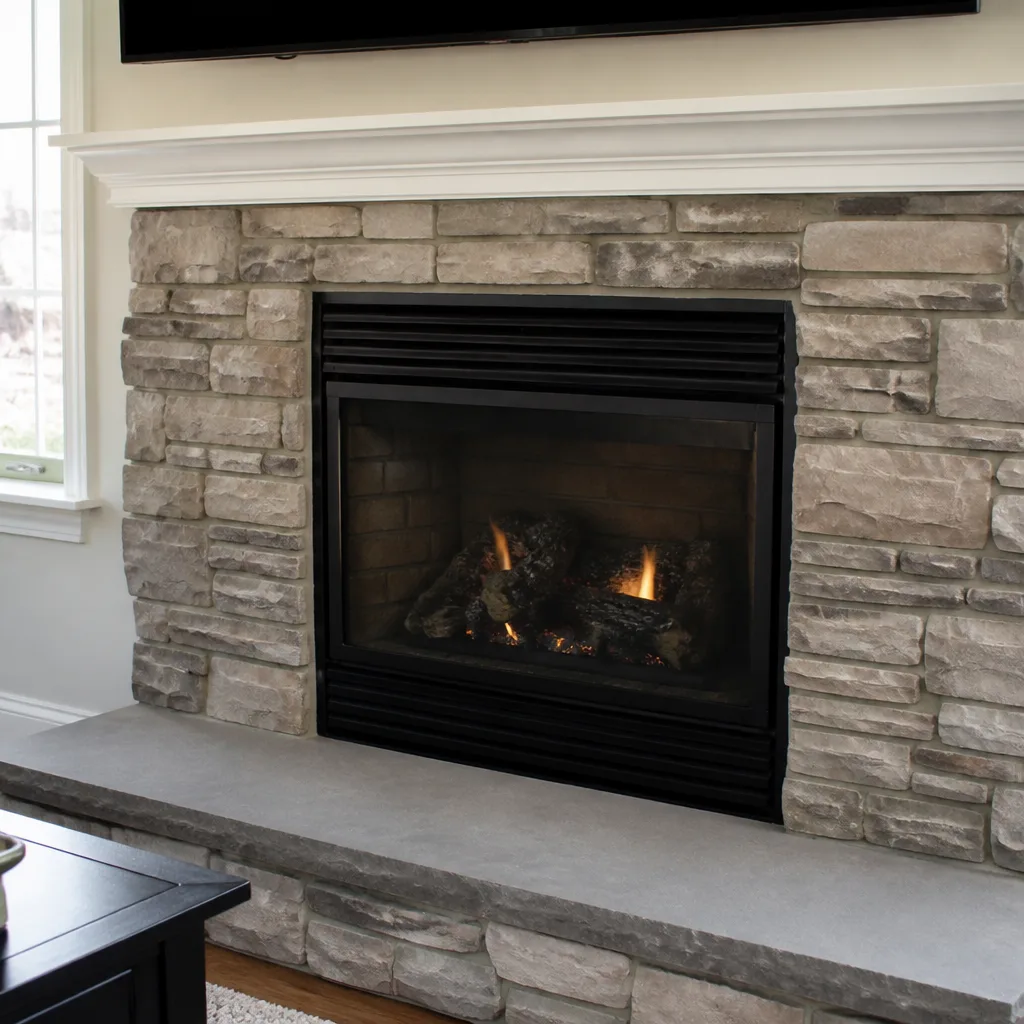
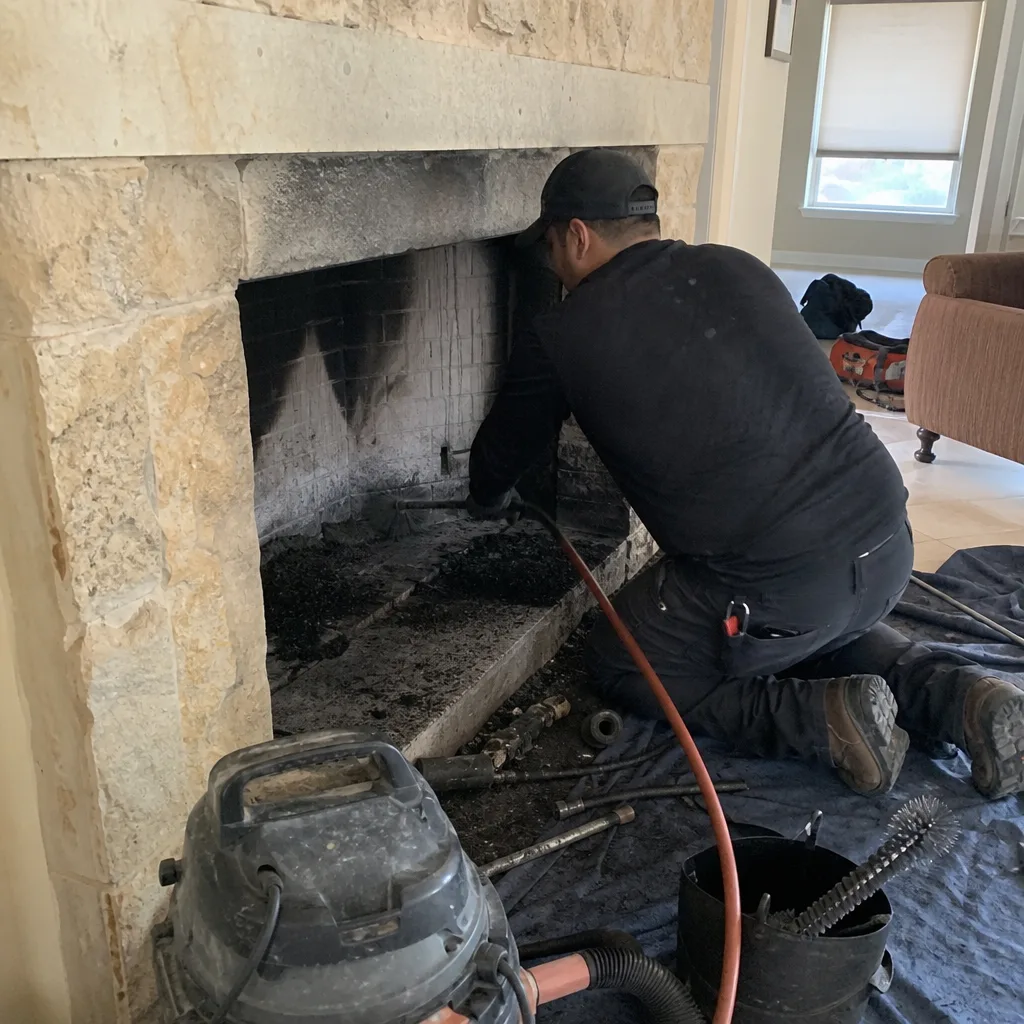 Before
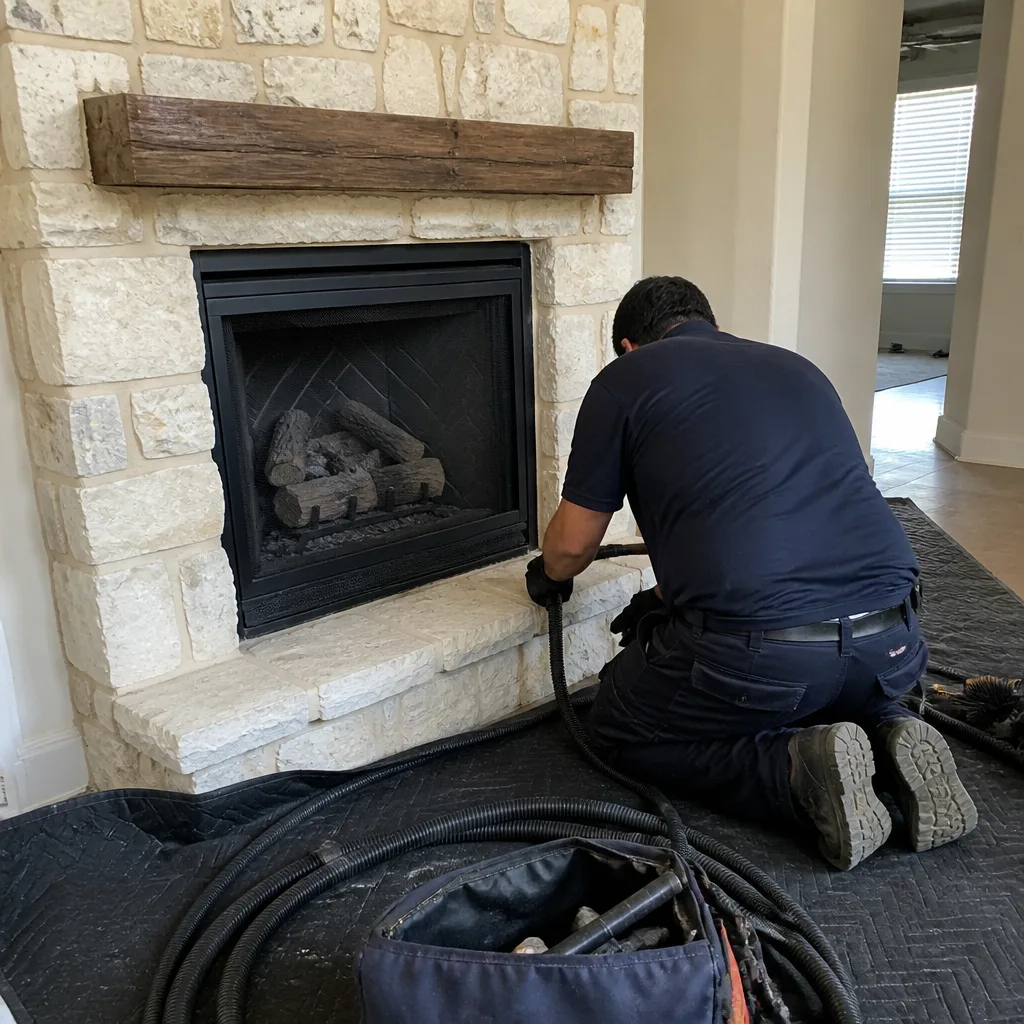 After
After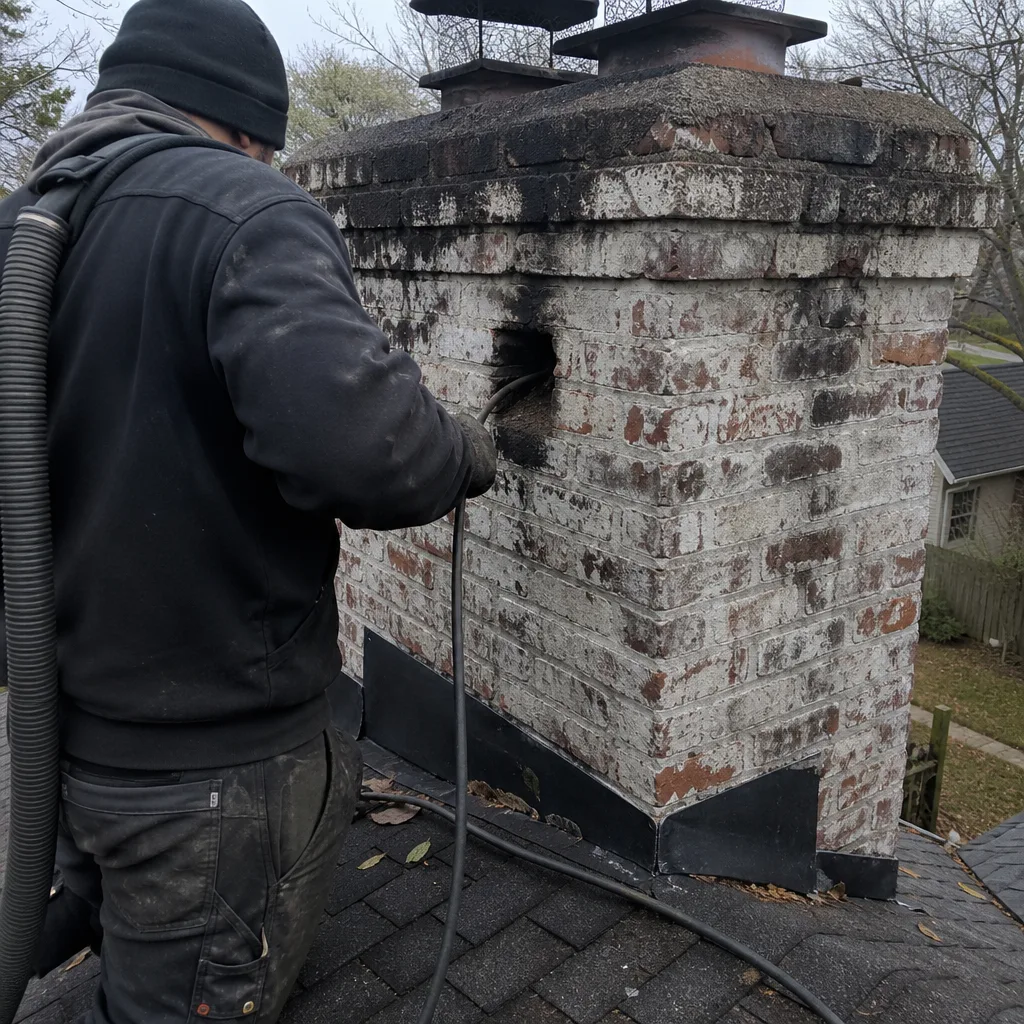 Before
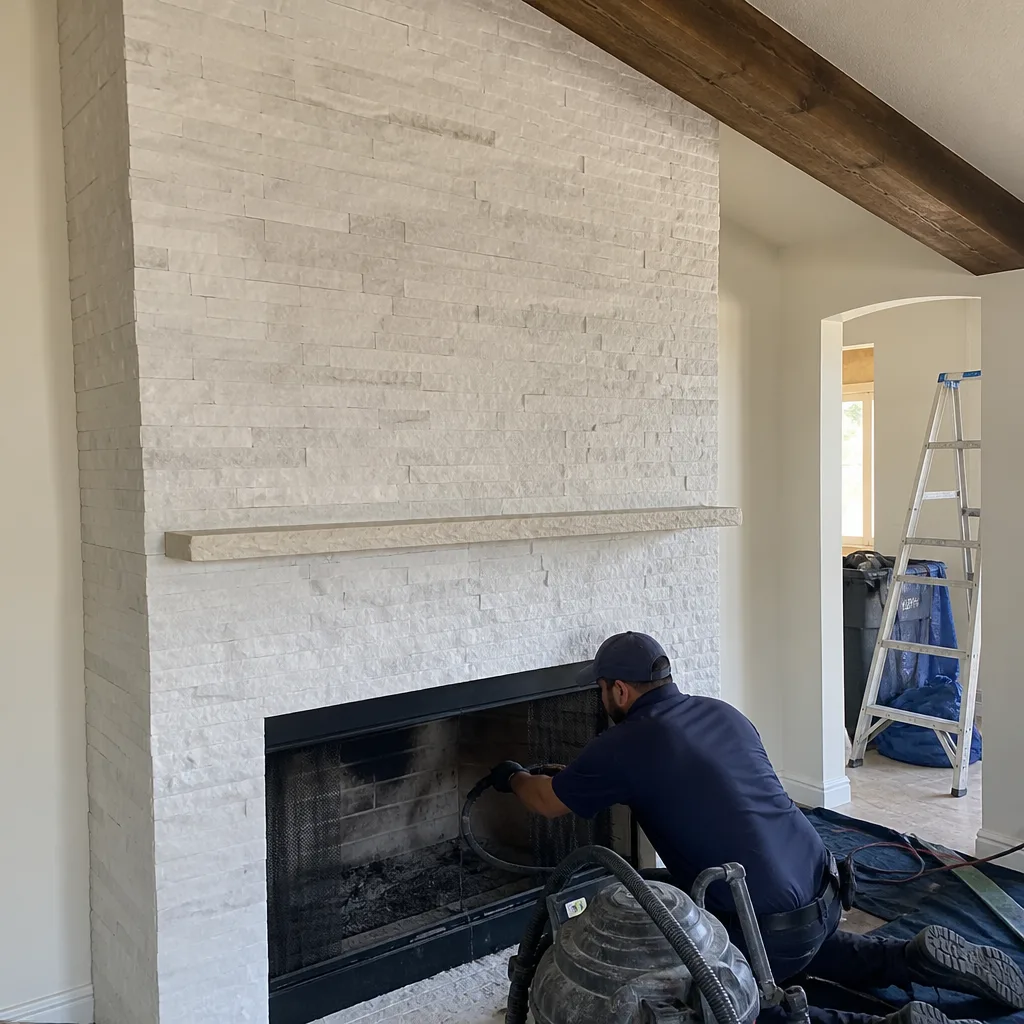 After
After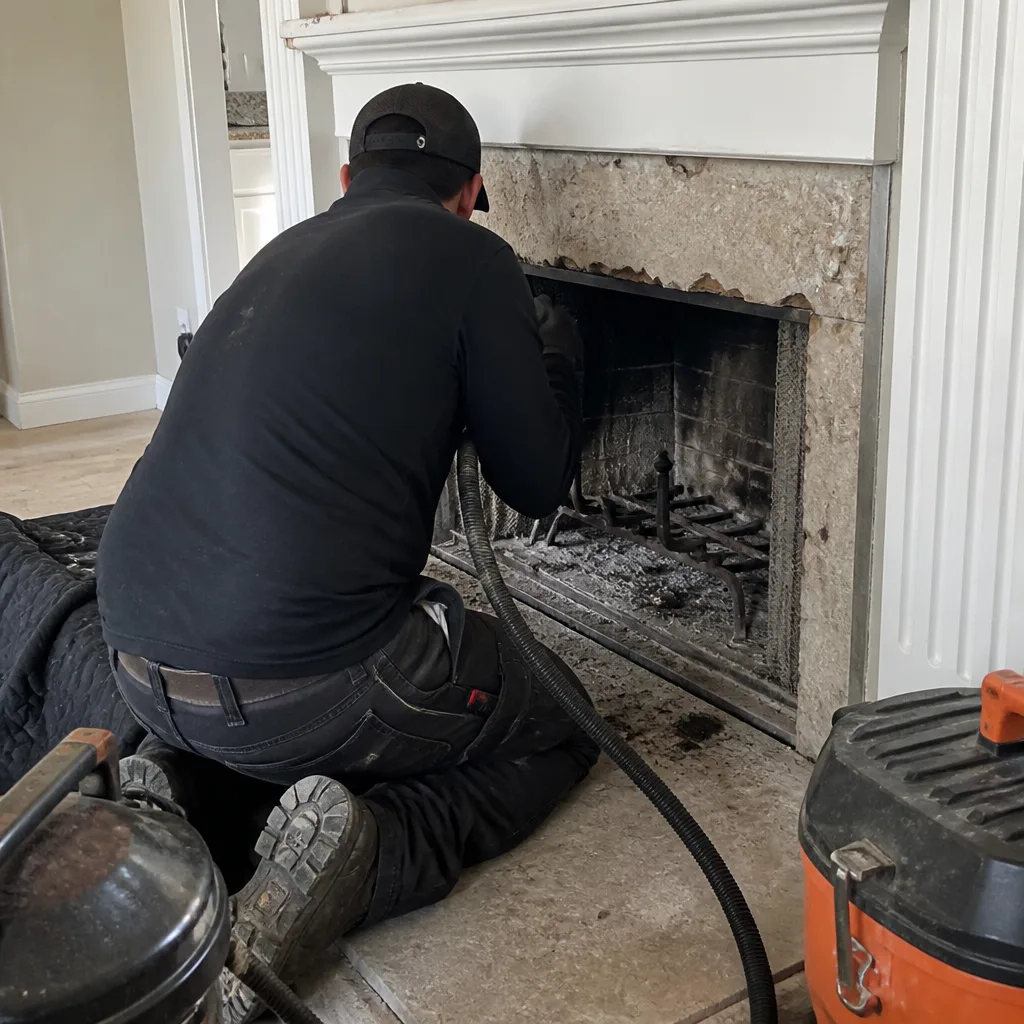 Before
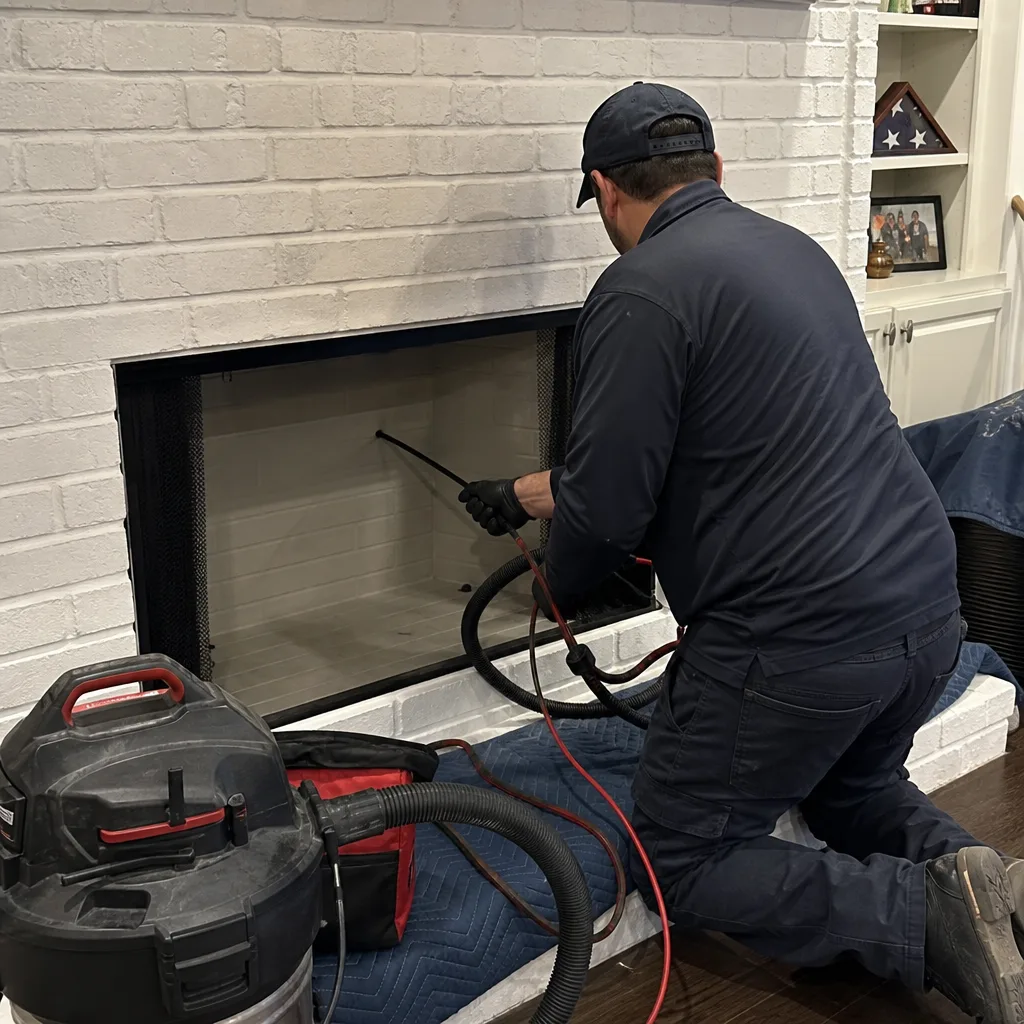 After
AfterCreosote Removal in Dallas, TX
Creosote removal in Dallas typically runs $199 to $699, depending on the classification and how much has built up in your flue. Most jobs are completed in a single visit, with a written price delivered before the work starts and a documented photo record when it’s done.
If you burn wood in Dallas, creosote is not a question of if – it’s a question of how much and what class. Our Chimney Cleaning & Sweep in Dallas service covers standard Stage 1 deposits as part of a routine sweep, but Stage 2 and Stage 3 creosote are different animals. They require specific chemical treatments, rotary cleaning systems, or controlled flue-log conditioning, and attempting any of those without a camera in the flue first is how jobs go wrong. Emberly Chimney Cleaners Dallas has documented more than 38,000 chimney inspections and cleanings since 2009 – every one with a written price before work started – and Corrine Halstead built that practice around exactly this kind of work.
Call us at (972) 284-1392 any time. Live staff answer around the clock, every day of the year.
The Three Classes of Creosote – and Why Classification Matters
Creosote is a byproduct of incomplete combustion. Wood smoke carries unburned hydrocarbons up the flue; when those gases hit a cooler liner surface, they condense and stick. What accumulates is creosote, and it exists in three progressively dangerous forms.
Class 1 Creosote
Loose, flaky, and dusty. This is the ash-gray or light-brown deposit you see on the liner walls of a regularly swept chimney. A standard brush and vacuum setup removes it cleanly, which is why this is often handled during routine Chimney Cleaning & Sweep services. In Dallas homes with gas log inserts that are occasionally used for ambiance, or wood-burning fireplaces that see light seasonal use, this is the typical finding.
Class 2 Creosote
Harder, shinier, and darker. It looks like tar that has dried and partially cured onto the flue liner. A standard sweep brush won’t cut through it. Class 2 requires rotary power cleaning tools – purpose-built systems with spinning chains or polypropylene brushes driven by a drill motor – plus chemical treatment to break the adhesion before mechanical removal begins. Dallas homes that burned green or unseasoned wood, or ran fires at low temperatures for long periods during mild winters, tend to show Class 2 deposits in the smoke chamber and lower flue sections.
Class 3 Creosote
This is the one that warrants serious attention. Class 3 – sometimes called glazed creosote – is a thick, tar-like coating that has been pyrolyzed multiple times until it resembles a dark, glossy lacquer. It burns at temperatures above 2,000 degrees Fahrenheit and does not respond to brushing. Removal requires chemical conditioning agents applied to the flue to convert the glaze to a brittle, brushable material – then a follow-up visit to mechanically remove what the chemical has treated. In some cases, particularly in older Dallas homes with clay tile liners that have never been professionally swept, Class 3 is found alongside cracked or spalled tile, and the liner condition becomes part of the written scope before anything else is quoted.
A camera down the flue – an NFPA 211 Level 2 Inspection – is the only reliable way to classify what’s there. Guessing from a flashlight look at the damper opening is not an inspection. It’s the kind of shortcut that gets homes damaged.
When You Need Creosote Removal
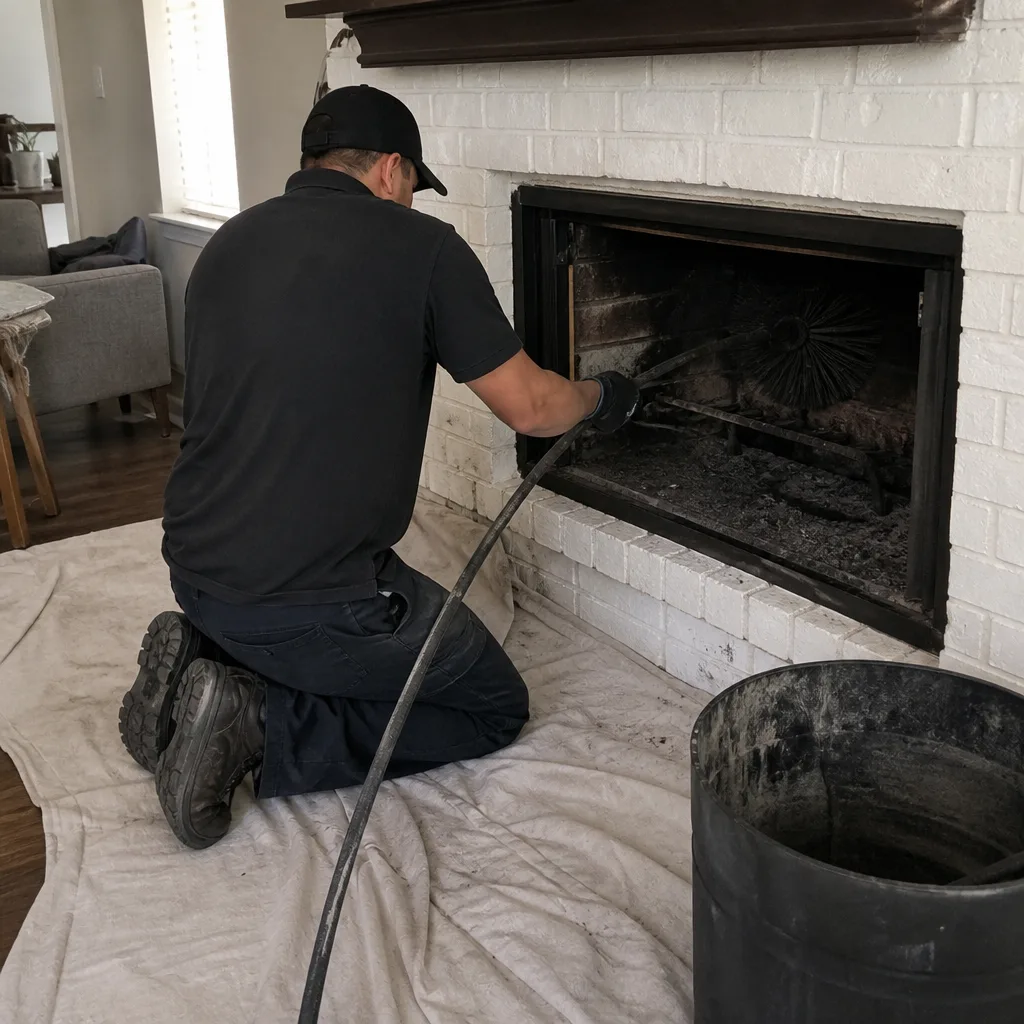
- You smell something oily or acrid when the fireplace isn’t in use. That’s the most common complaint we hear in Dallas’s older neighborhoods, particularly in homes near White Rock Lake and in the Lakewood and Casa Linda corridors. It usually means Class 2 or 3 buildup is off-gassing on warm days – Dallas summers accelerate this considerably when attic temperatures push heat back down the flue.
- Your fire burns poorly or smoke backs up into the room. Heavy creosote deposits narrow the usable flue diameter. A flue that should draw at full efficiency can’t when the walls are coated in half an inch of hardened tar. This is especially common in older homes in Preston Hollow and University Park where decorative fireplaces went years without cleaning.
- A chimney inspector or your insurance company flagged it in writing. Dallas-area insurers increasingly require documented chimney inspection reports before issuing or renewing homeowner policies on older properties. A written flagging of Stage 2 or Stage 3 creosote is not something to defer.
- You’ve had a chimney fire – even a small one you weren’t sure about. A rapid, hot chimney fire is often the first sign of heavy glazed creosote. You may have heard a low roar or felt heat at the damper handle. Any suspected chimney fire requires a Level 2 camera inspection before the fireplace is used again.
- You bought a home built before 1990 and the inspection report listed the chimney as “not evaluated.” This is common in older Dallas neighborhoods. An unknown history is a known risk. The camera will tell us what the real estate inspector couldn’t.
- You burn a lot of wood in November through February. Dallas winters are mild by national standards, but a fireplace that runs every cool evening from Thanksgiving through February accumulates creosote faster than most homeowners expect – particularly in homes where the firebox is smaller relative to the flue, a proportion that’s common in 1970s and 1980s Dallas construction.
BeforeAfterOur Creosote Removal Process
- Camera inspection first. We send a live-feed camera down the full length of the flue before we quote a single dollar of removal work. The footage classifies the creosote, documents the liner condition (tile, stainless, cast-in-place), and identifies any cracks, offsets, or obstructions that affect how the job is performed. You see what we see. Haven Standard Clause 4 requires a documented photo record on every visit – that starts with this footage.
- Written scope and price before any work starts. Once the camera is back up, you get a written price, a written scope of what we’re doing and what materials are involved, and a written warranty. Haven Standard Clause 1 means we don’t start until you’ve signed off on a number you agreed to – not a number we told you after the tech was already halfway into the firebox. No surprises.
- Chemical conditioning where Class 2 or Class 3 is present. For glazed or hardened deposits, we apply a creosote-modifying chemical treatment to the interior flue walls. This converts the hard tar coating into a dry, brittle material that mechanical tools can then remove. The chemistry requires appropriate dwell time – we’ll tell you exactly how long before the mechanical phase begins. If the follow-up is a second visit, that’s in the written scope upfront.
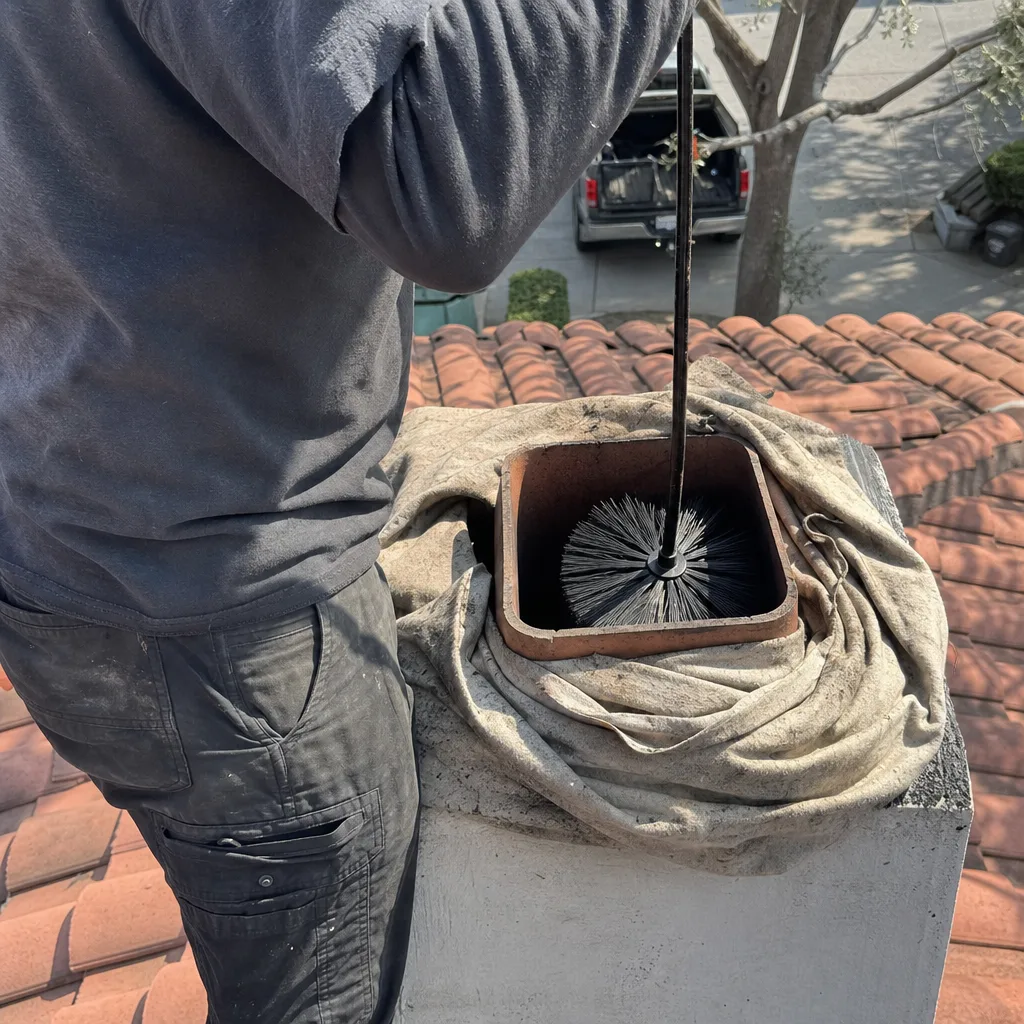
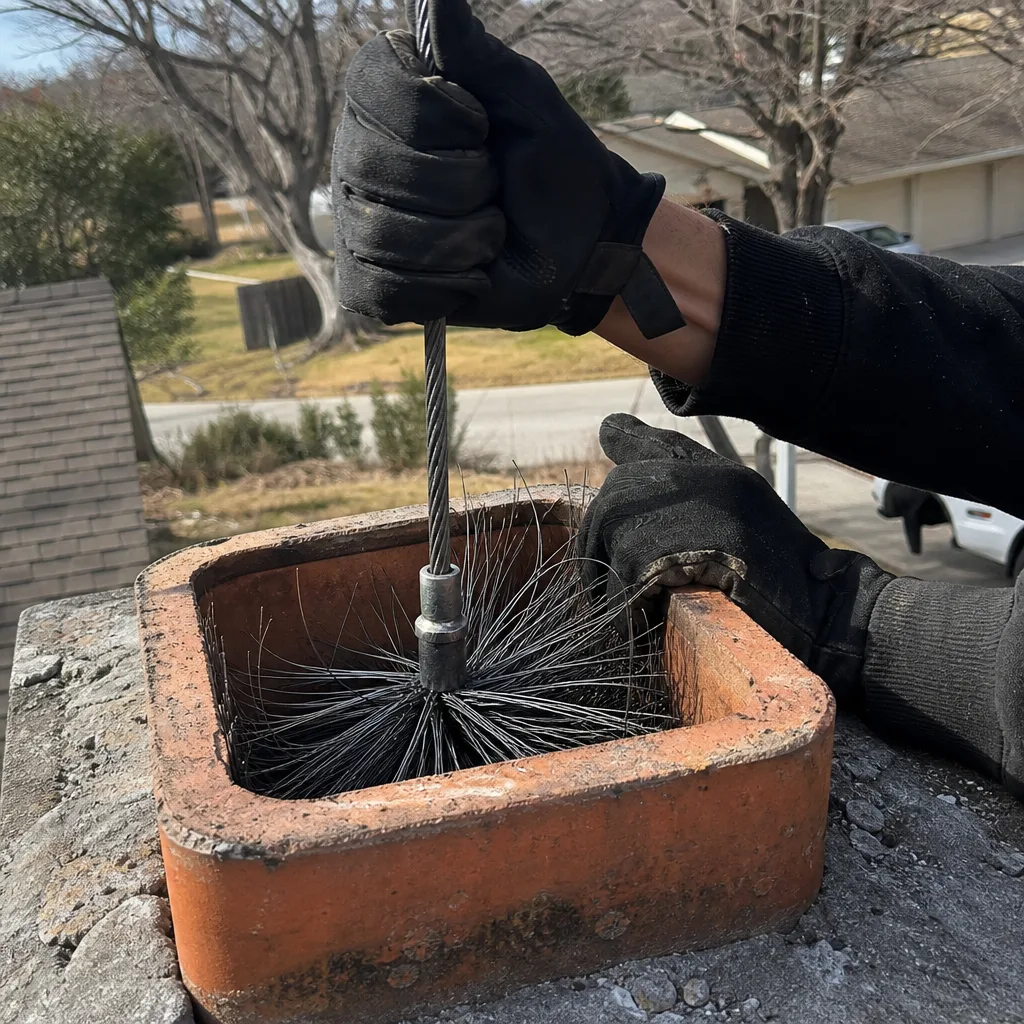
- Rotary or brush mechanical removal. We use commercial rotary cleaning systems with appropriate brushes sized for your flue dimensions. All debris drops into a sealed drop cloth setup at the firebox opening. Dust containment matters in a Dallas home where the fireplace often opens directly into a main living area. When the job is done, that area is cleaner than when we arrived.
- Second camera pass and documentation. After cleaning, the camera goes back down. We verify the liner walls are cleared and document the post-cleaning condition. You walk away with before-and-after footage and a written record of what was removed and what the flue looks like now. That record belongs to you – it’s useful for insurance purposes and for any future technician who opens that chimney.
- Liner assessment and next-step recommendation in writing. If the camera revealed liner damage – spalled tile, cracked joints, deteriorated mortar joints in the smoke chamber – you get that finding in writing with a separate written quote to address it. We don’t bundle surprise work into a creosote job. If your liner needs repair or relining, that’s a separate conversation with a separate written price.
Creosote Removal Pricing in Dallas
Creosote removal cost in Dallas depends on three things: the class of creosote, the flue height and accessibility, and whether chemical treatment is needed before mechanical removal. Here’s how it breaks out:
| Service | Typical Price Range (Dallas) |
|---|---|
| Level 2 Camera Inspection (included with service) | Included |
| Class 1 Creosote Removal (standard sweep) | $199 – $299 |
| Class 2 Creosote Removal (rotary/power cleaning) | $299 – $499 |
| Class 3 Creosote Removal (chemical treatment + mechanical) | $499 – $699 |
| Multi-visit treatment (Class 3, large flue, or second application) | Quoted per scope in writing |
A few things that affect where your job lands in those ranges:
- Flue height: Two-story Dallas homes have taller flues – sometimes 25 to 30 feet of vertical travel. More height means more surface area and more time.
- Flue liner material: Clay tile, stainless steel, and cast-in-place liners all clean differently. Older clay tile flues in Dallas homes built in the 1960s and 1970s sometimes have rough, porous surfaces that hold creosote more aggressively.
- Last cleaning date: A chimney that hasn’t been swept in five or more years almost always moves into Class 2 territory, even with light use.
- Number of flues: Some Dallas properties – particularly larger homes in Highland Park or Bluffview – have two or three separate flues. Each is quoted as its own scope.
Every estimate is written before work starts. If you have a written estimate from another company, we’ll give you a free second opinion on it – bring us the quote.
FAQs – Creosote Removal in Dallas
How much does creosote removal cost in Dallas?
Creosote removal in Dallas runs from $199 to $699 for most residential jobs. Class 1 deposits (the loose, dusty kind) fall at the lower end and are often handled as part of a standard Fireplace Cleaning. Class 3 glazed creosote – the thick, tar-like coating that requires chemical conditioning before mechanical removal – falls at the upper end and sometimes takes two visits. You’ll have a written price before we touch anything. Call (972) 284-1392 and we’ll tell you exactly what the camera shows before you decide.
Is creosote removal dangerous to do yourself?
Class 1 creosote removal with a properly sized chimney brush is something a careful homeowner can technically do, but the moment you’re dealing with a dark, hardened, or shiny coating on the flue walls, you are looking at Class 2 or Class 3 material. Chemical creosote modifiers are caustic and produce fumes that require proper ventilation and respiratory protection. Rotary power-cleaning tools inside a confined flue can fracture an already-cracked clay tile liner if the operator doesn’t know what they’re reading on a camera first. We’d rather send a tech with a camera and give you an honest price than have you call us after a problem has gotten significantly worse.
How do I know what class of creosote I have?
You know because a camera goes down the flue. The visual profile is distinct: Class 1 looks like gray soot and loose flakes; Class 2 looks like dried, dark tar with a matte or slightly shiny surface; Class 3 looks like a glossy, thick black lacquer coating the tile or liner walls. A flashlight inspection at the damper opening does not give you enough flue visibility to classify it reliably – that’s why every visit starts with a Level 1 Inspection or higher before any price is written.
Can creosote removal wait until fall in Dallas?
If the camera shows Class 1 deposits and you’re not planning to use the fireplace until November, waiting until September or October is reasonable. If Class 2 or Class 3 is present, waiting is not low-risk: Dallas summer heat – attic temperatures regularly exceed 130 degrees Fahrenheit in July and August – accelerates off-gassing from heavy tar deposits, and a chimney fire doesn’t need a lit fire to start if the flue temperature gets high enough through radiated heat in a severe case. Get the camera inspection done, get the classification in writing, and then make a decision with accurate information.
What You Walk Away With After Every Job
This is worth being specific about, because it’s where Emberly Chimney Cleaners Dallas operates differently from most chimney companies in the Dallas area.
- Pre-cleaning camera footage documenting the flue condition and creosote classification
- A written scope of work you signed off on before anything started
- Post-cleaning camera footage documenting liner walls after removal
- A written warranty on labor and materials used
- A written record of findings – liner condition, flue dimensions, any additional concerns noted – for your files
- A 365-Day Done Right Promise: if the work isn’t right, we make it right
Clause 4 of the Haven Standard requires a documented photo record on every job. That’s not a premium add-on. It’s how we’ve operated on every one of the 38,000-plus chimneys we’ve worked on since 2009.
If there’s something we found that we didn’t fix on this visit – because it’s a separate scope, a different trade, or something you want to think about – it goes into the written record. You’ll have it in your inbox by the time the truck leaves your driveway.
Schedule Your Creosote Inspection in Dallas
If you’re in Dallas and your chimney hasn’t been cleaned in more than a year, or you noticed a smell, a smoky room, or an inspection report that flagged the flue, the right next step is a camera inspection with a written price before any work starts. That’s where every job begins. Call Emberly Chimney Cleaners Dallas at (972) 284-1392 – live staff answer every call, any hour of the day. An estimate costs you nothing, and you’ll know exactly what class of creosote you’re dealing with before you make any decision.
Written by Corrine Halstead, Owner at Emberly Chimney Cleaners Dallas, serving Dallas.