
Last updated September 22, 2026
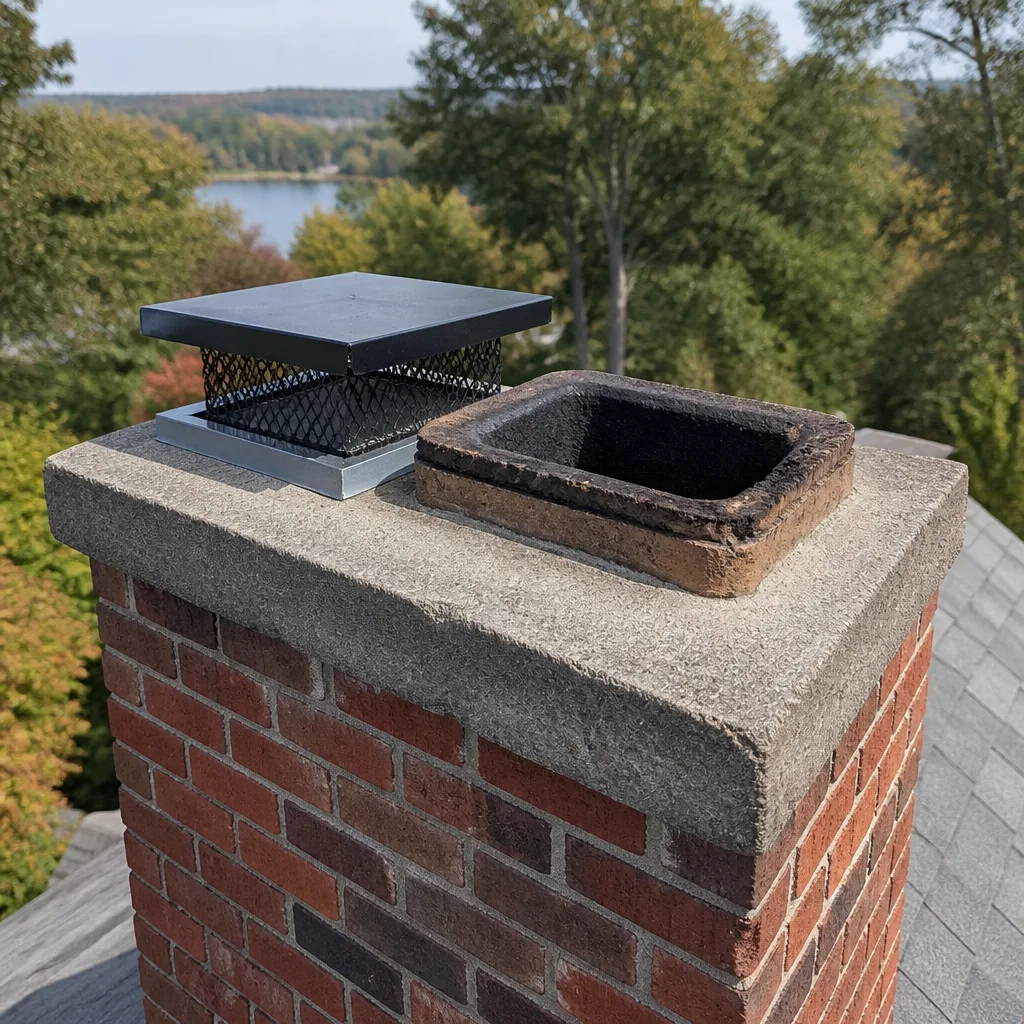
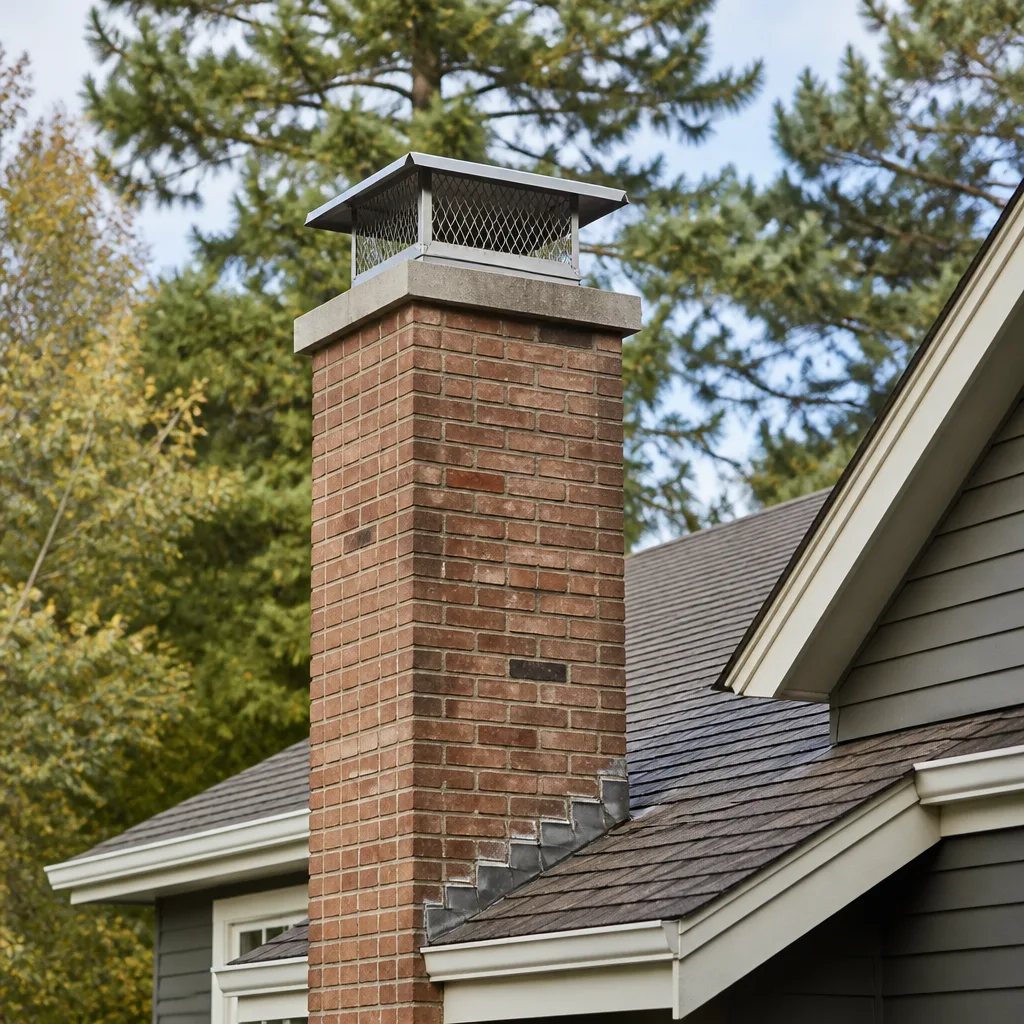
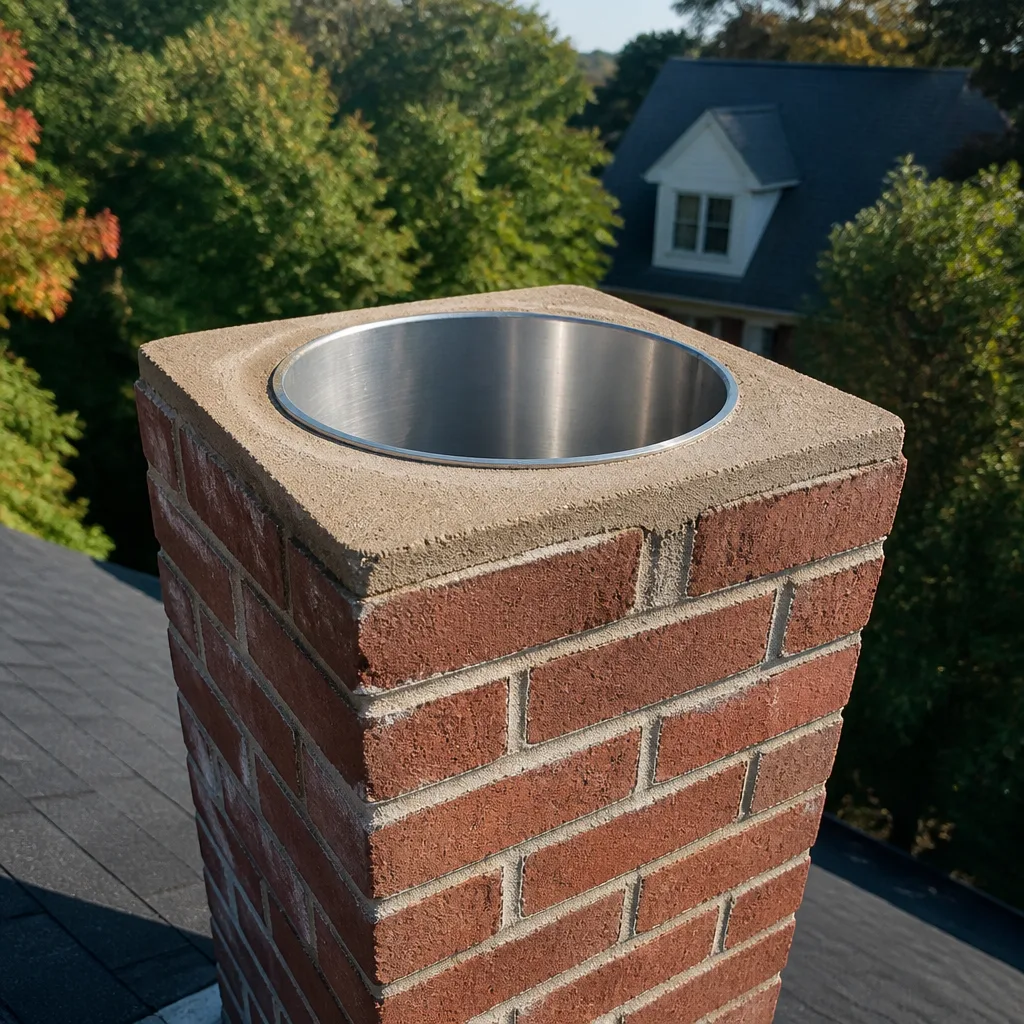
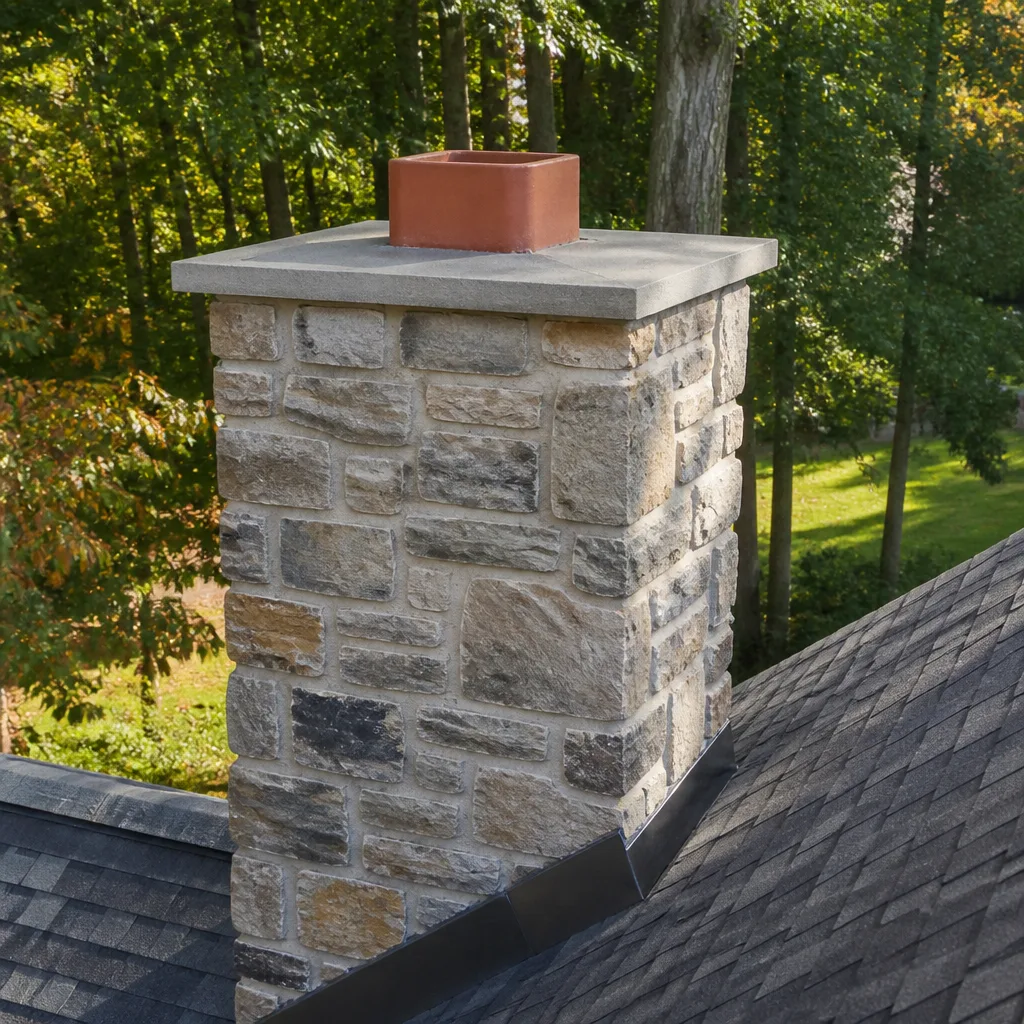
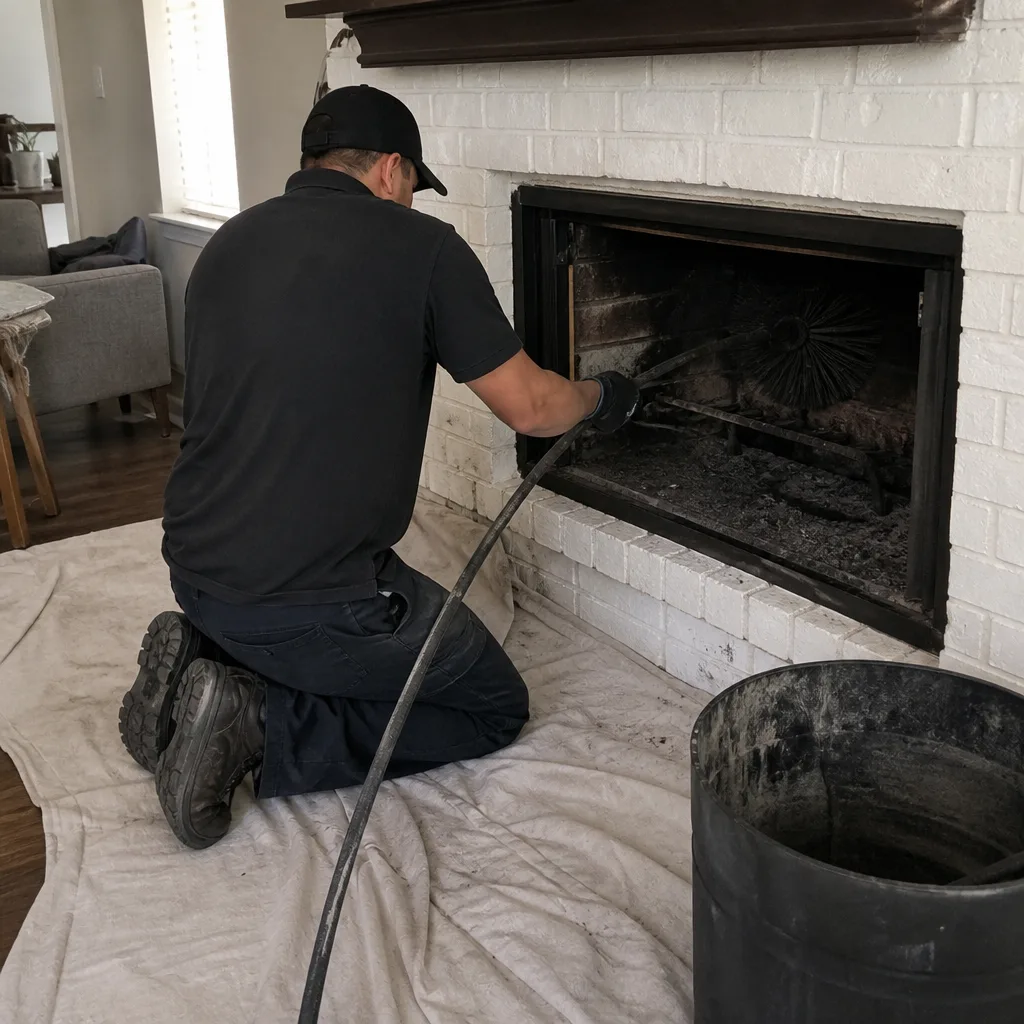
Level 1 sweep and inspection to the NFPA 211 annual standard - flue, crown, cap, and flashing checked and photographed
Chimney sweep logs do not sweep chimneys. They loosen some creosote - which then falls where a brush and vacuum still have to collect it.
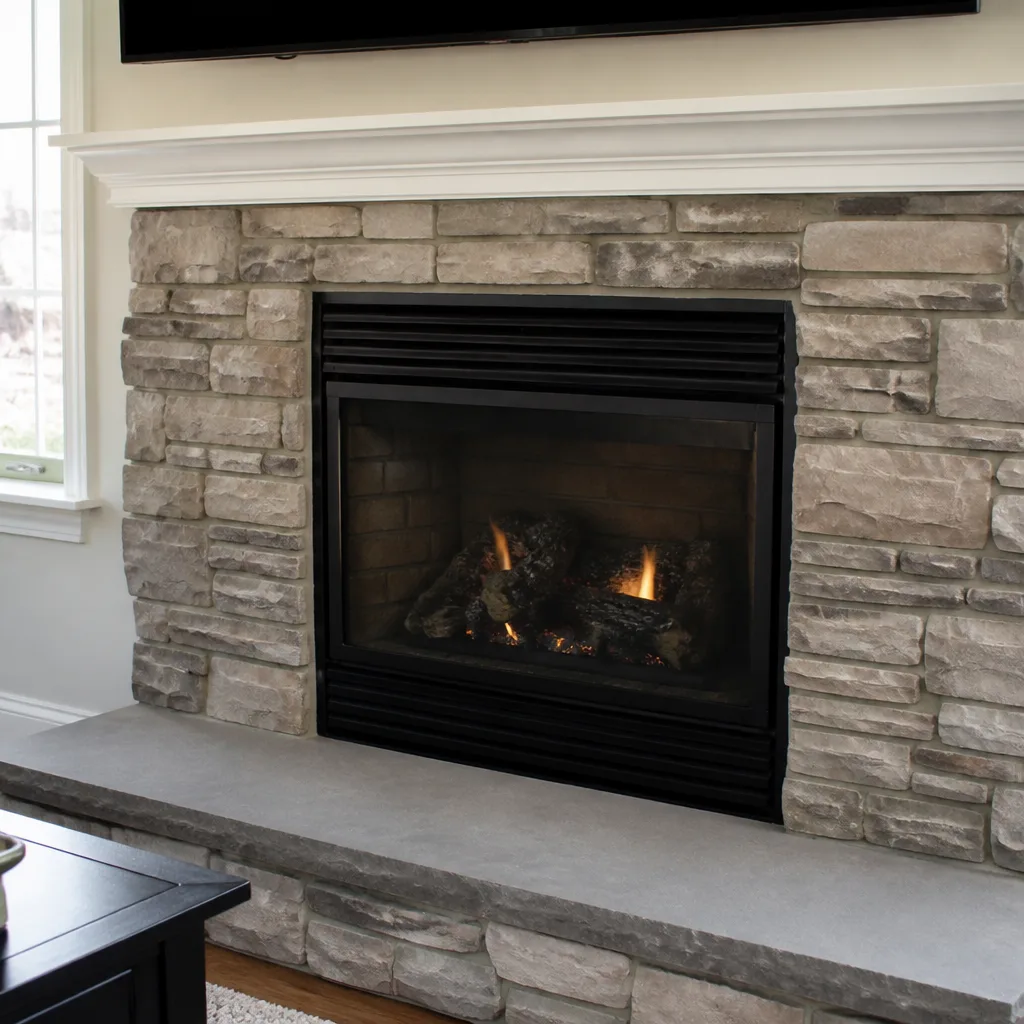
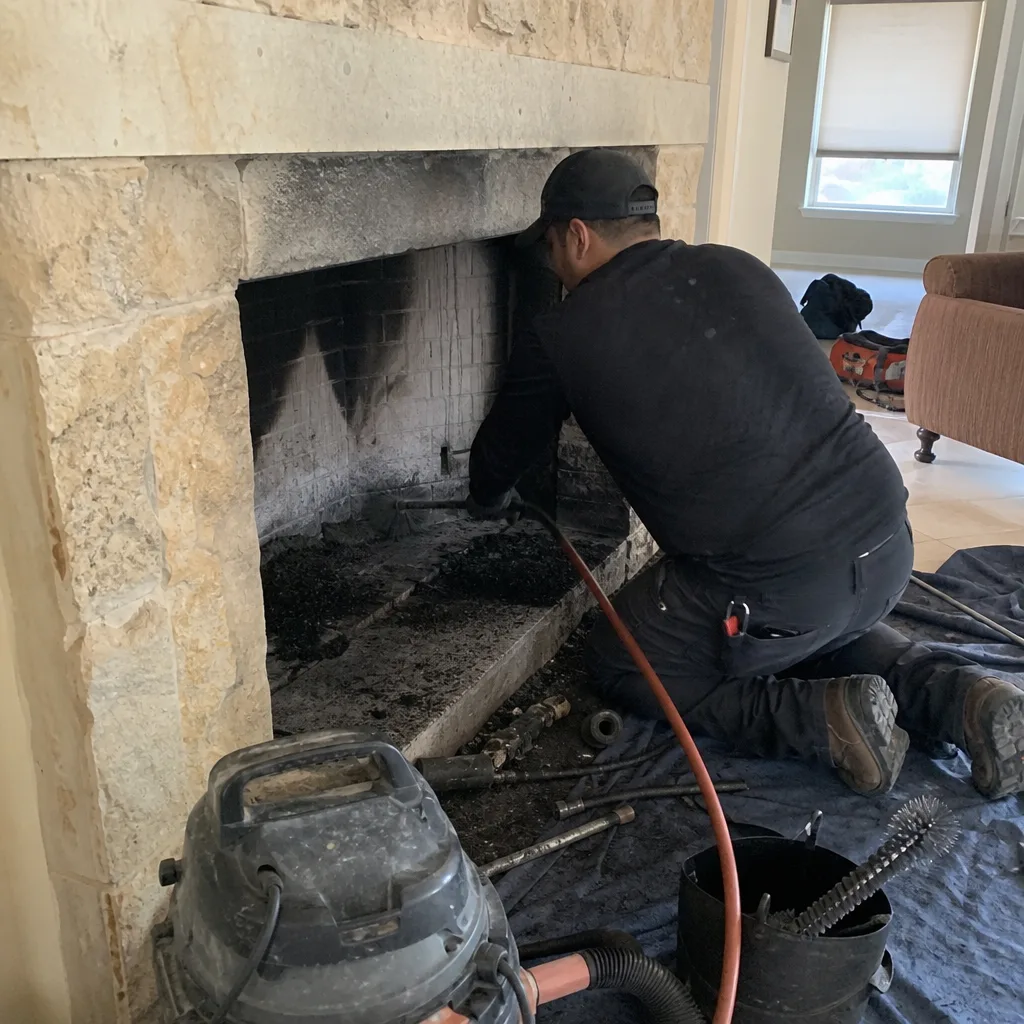 Before
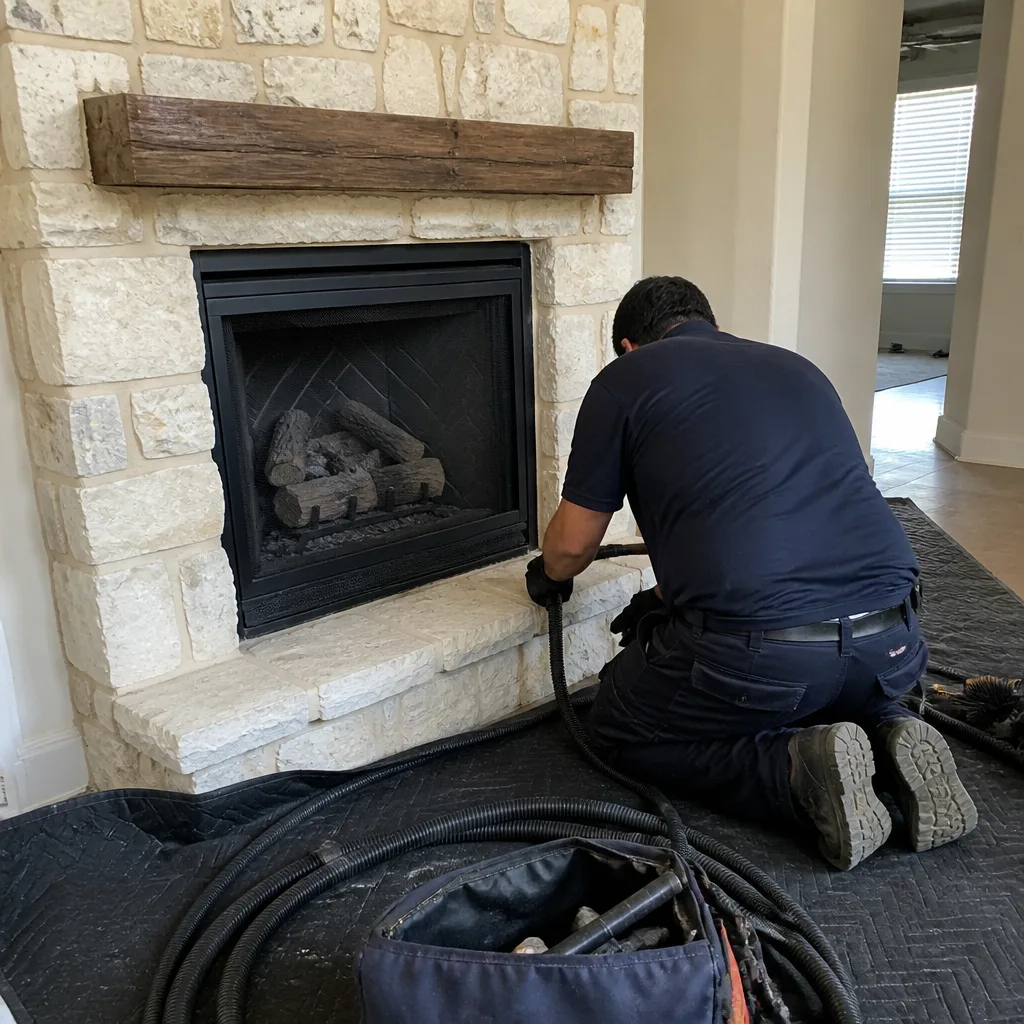 After
After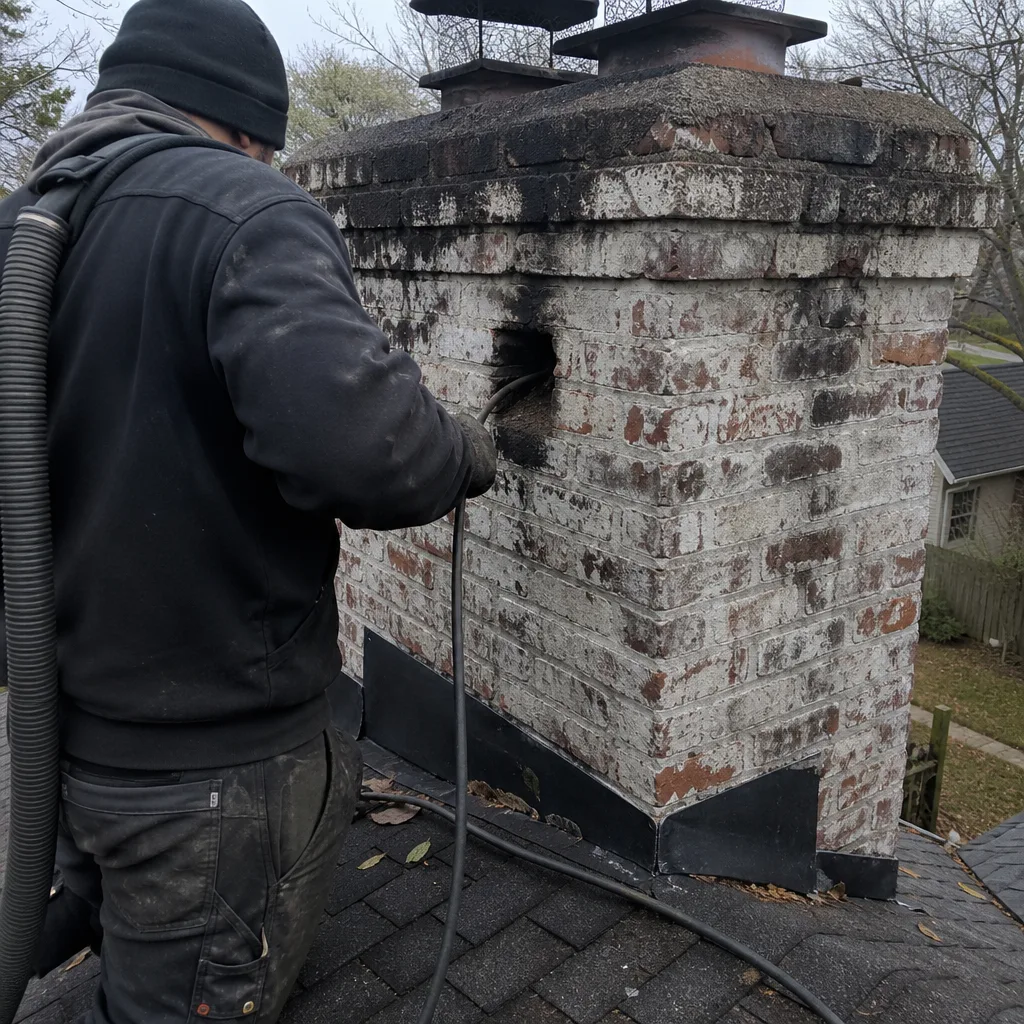 Before
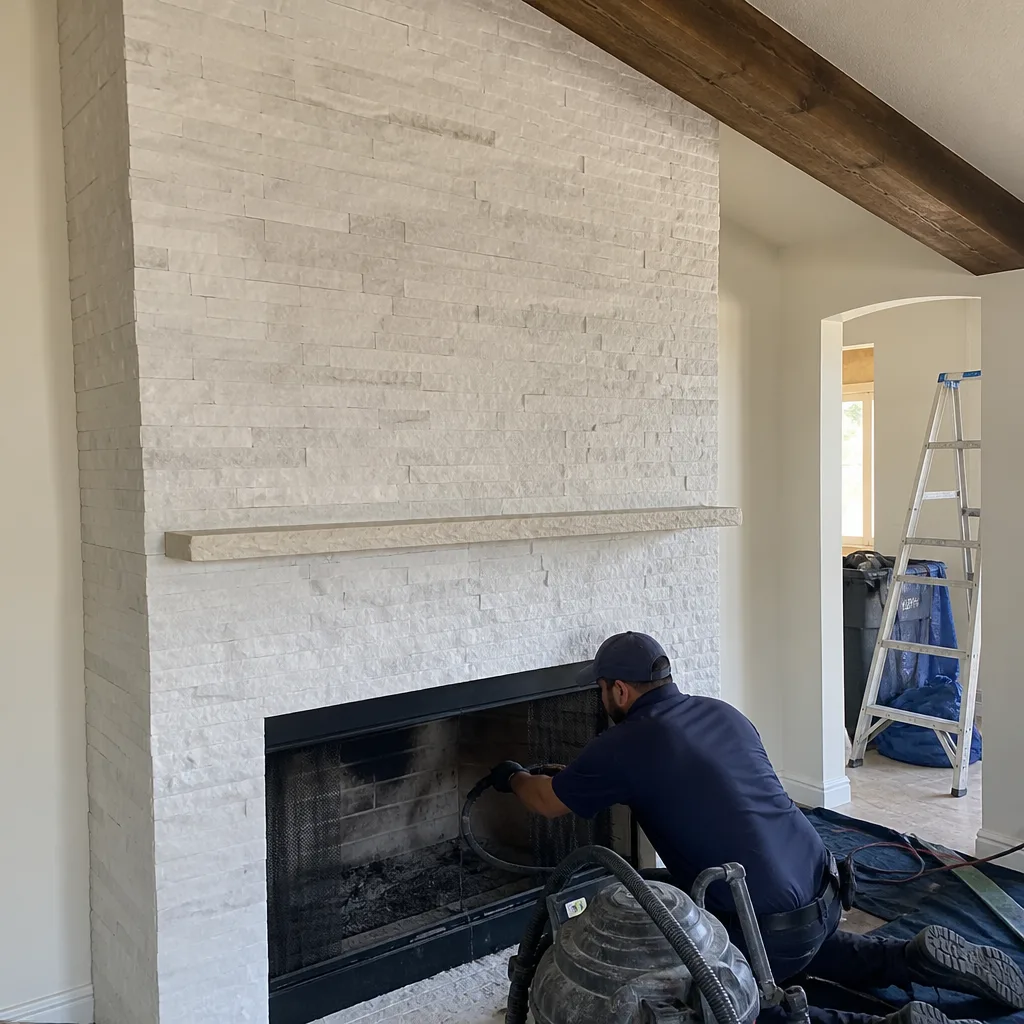 After
After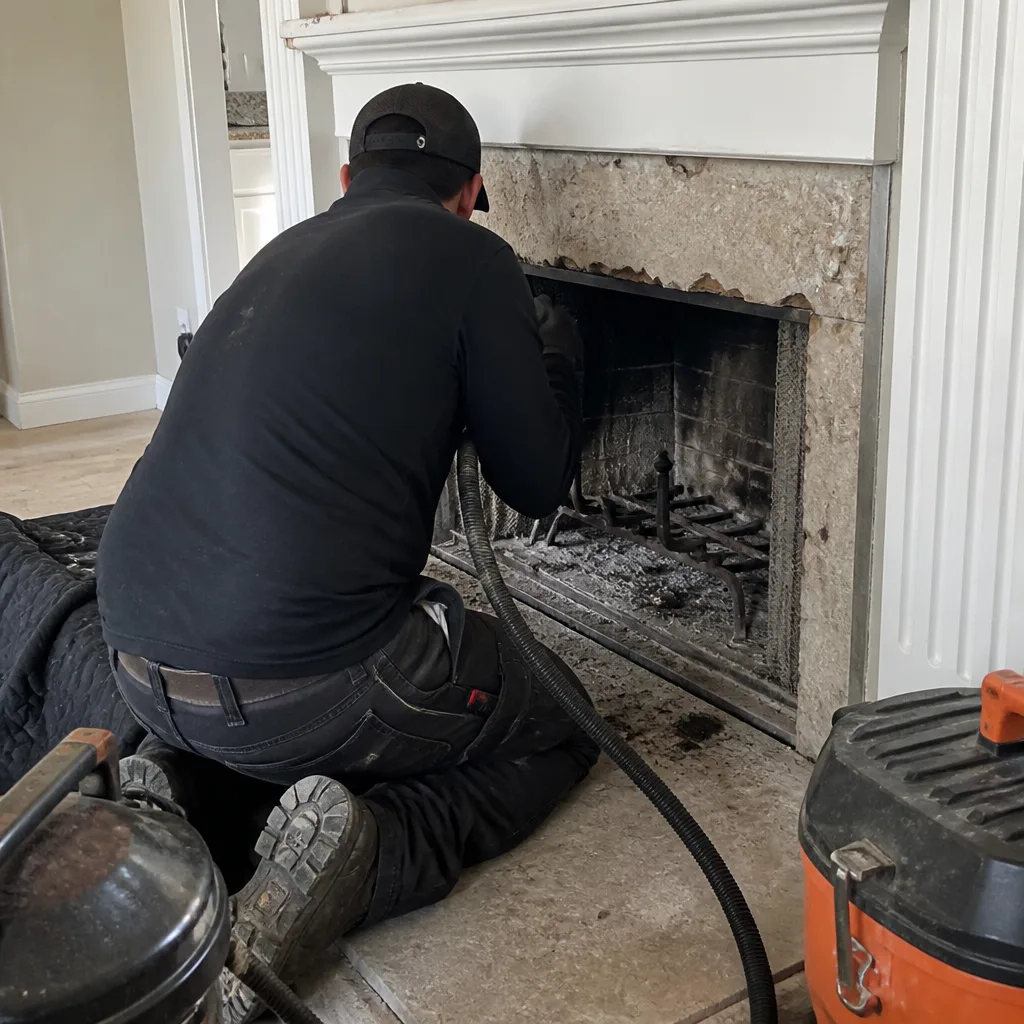 Before
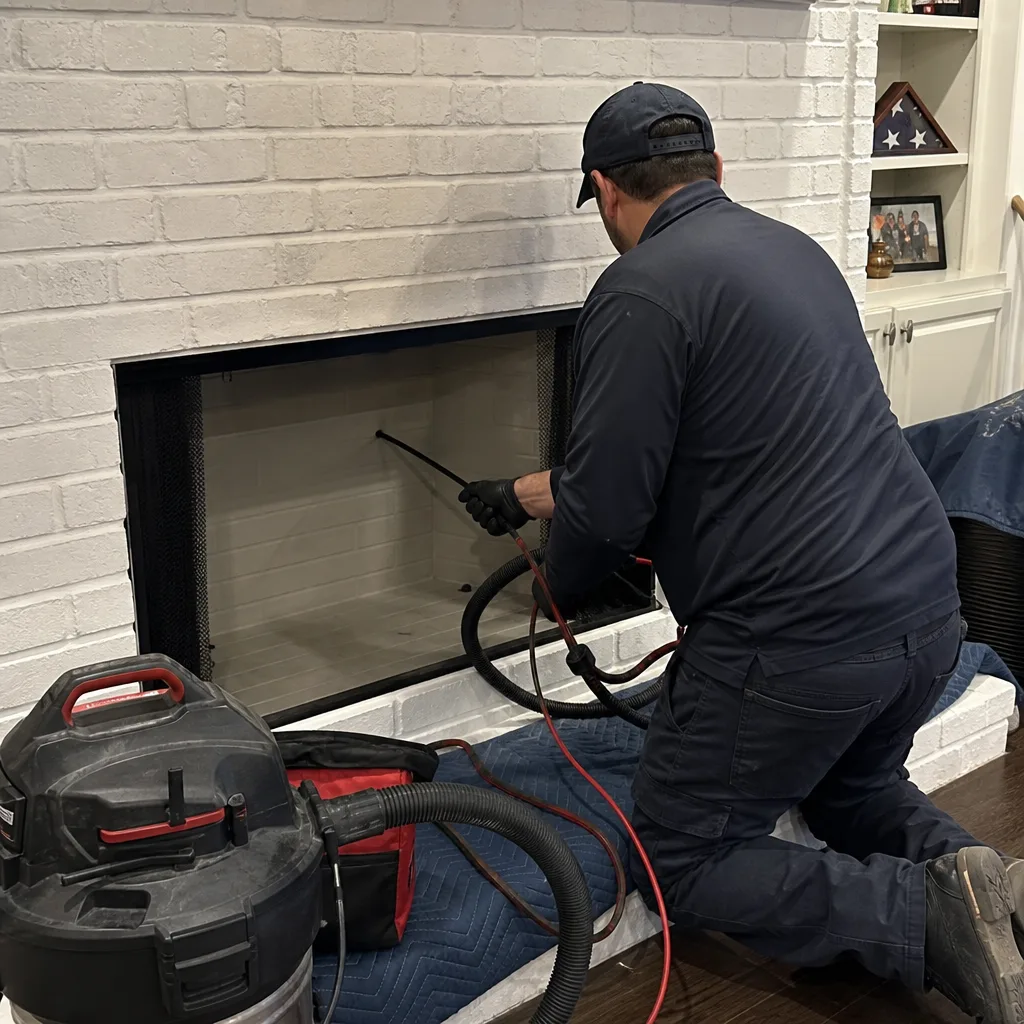 After
AfterHow to Hire a Chimney Cleaning Contractor in Dallas: A Step-by-Step Guide
In Texas, anyone can call themselves a chimney sweep. No state license is required, no apprenticeship hours, no inspection by a regulator. That means a Dallas homeowner comparing two quotes is often comparing a trained, CSIA-certified technician against someone who bought brushes online last month - and the quotes can look nearly identical on paper. This guide - along with our more guides & resources - walks you through exactly how to tell the difference before someone climbs onto your roof.
Quick Answer
Hiring a chimney cleaning contractor in Dallas means verifying CSIA or NFI certification independently, demanding a written price before any work starts, and insisting on a camera-scan inspection with a documented photo record. Anyone who offers a verbal quote, skips the camera, or pressures you to book immediately is waving a red flag you should not ignore.
Table of Contents
- Why Credentials Matter More in Texas
- What to Ask Before Booking
- How to Verify Certifications Yourself
- What a Written Scope of Work Must Include
- Red Flags Specific to the Dallas Market
- How to Compare Two Bids When the Scope Differs
- Common Mistakes to Avoid
- When to Call a Professional
- Frequently Asked Questions
BeforeAfterWhy Credentials Matter More in Texas
Most homeowners assume the person quoting chimney work has been vetted by someone. In Dallas, that assumption is dangerous.
Texas does not license chimney sweeps. There is no state board, no continuing education requirement, no bond or insurance mandate specific to the trade. A contractor can form an LLC, print business cards, and start booking jobs the same week. This regulatory gap - with no chimney cleaning permits, codes or inspections required in TX - shifts the entire burden of verification onto you.
The two credentials that actually matter are CSIA (Chimney Safety Institute of America) certification and NFI (National Fireplace Institute) credentials. CSIA certifies the sweep’s knowledge of inspection standards, combustion science, and venting systems. NFI credentials specialize in gas, wood, or pellet appliance installation. Neither is required by law. Both require passing exams, continuing education, and adherence to a code of ethics.
Here’s why this hits harder in Dallas specifically: our clay soils and freeze-thaw cycles stress masonry differently than northern climates. A sweep who learned their trade in Michigan may not recognize the spalling patterns we see in Lakewood chimneys after a hard February freeze. Our frequent hailstorms damage chimney caps and crowns in ways that look like ordinary wear until a trained eye spots the impact pattern. And our extended burning season - many Dallas homeowners run fireplaces from November through March - produces heavier creosote loads than intermittent use in milder winters.
We’ve inspected chimneys in Oak Cliff where a previous “sweep” removed a damaged liner section and never told the homeowner, leaving the flue unprotected. We’ve found smoke chambers in Preston Hollow packed with fallen mortar that a flashlight inspection from the hearth would never reveal. Credentials don’t guarantee competence, but they establish a baseline of training that uncredentialed operators simply haven’t demonstrated.
At Emberly Chimney Cleaners Dallas home, every technician is background-checked and uniformed, with license information displayed on every page. But we still encourage you to verify our certifications independently. That’s the standard we work to.
What to Ask Before Booking
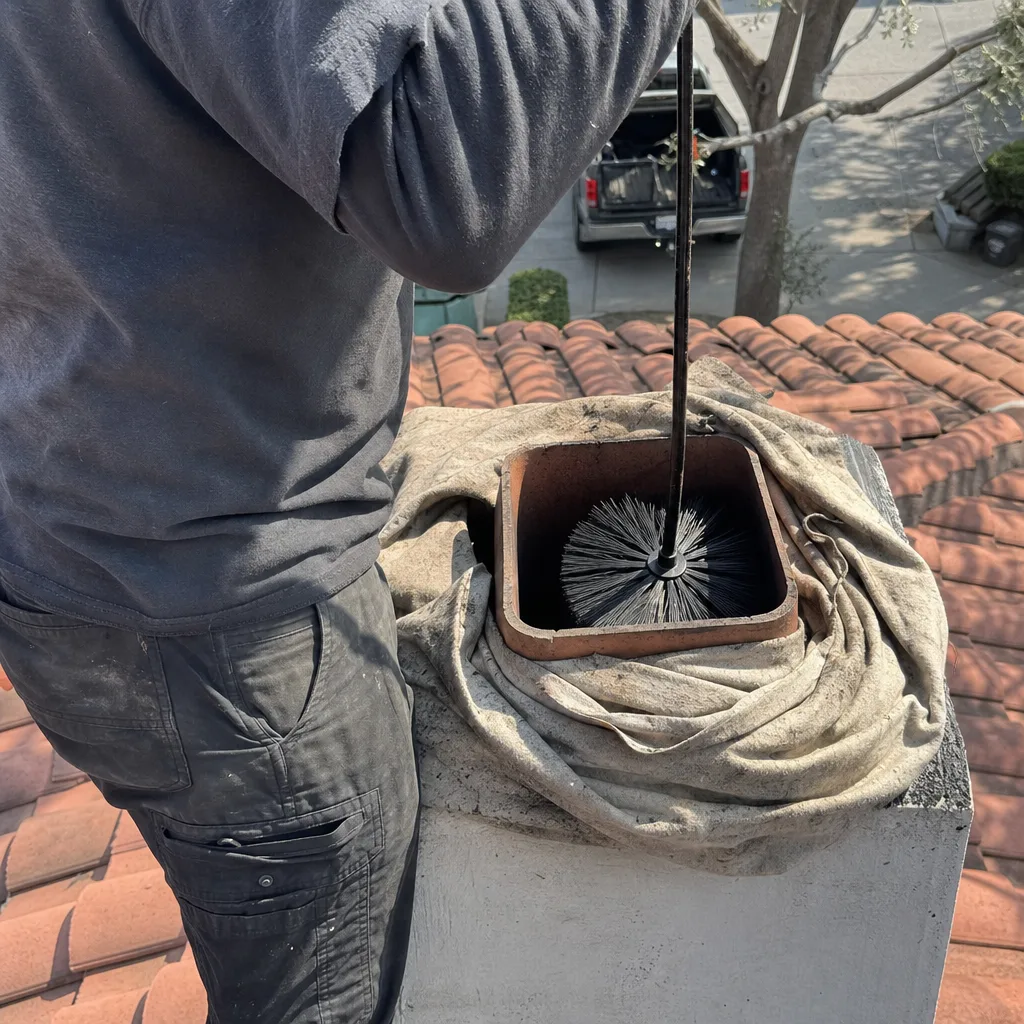
Before you give any chimney contractor your address, ask these five questions. Write down the answers. The pattern of responses will tell you everything.
- Will I receive a written price before any work begins? Not an estimate range. A written price, with line items, that you sign before the technician starts. If the answer is “we’ll quote after we look,” you’re signing a blank check. Clause 1 of the Haven Standard requires a written price, written scope, and written warranty delivered before work starts - not after the tech is already in your living room.
- Does your inspection include a camera scan of the flue? A flashlight look from the top or bottom is NFPA 211 Level 1. It cannot see the mid-flue cracks, offset joints, or deteriorated liner sections that cause chimney fires and carbon monoxide leaks. Level 2 requires a camera. If they don’t own one, or charge extra to use it, they are not performing a complete inspection.
- What does my inspection report include? You want: photos of every deficiency found, a written description of each issue with its location, a prioritized recommendation list, and a separate price for each repair option. A checkbox form with “chimney needs repair” and a single lump sum is not a report. It’s a sales tool.
- What is your warranty, and what triggers it? Vague language like “satisfaction guaranteed” means nothing. You want: duration in days, what specifically is covered (labor, materials, both), and the process for invoking it. Our 365-Day Done Right Promise - stamped on every job under the Haven Standard - means if it’s not done right, we make it right. Period.
- Can you provide proof of general liability and workers’ compensation insurance? Ask for the certificate of insurance. Verify it directly with the carrier if you’re uncertain. An uninsured technician on your roof is your financial exposure if they fall.
Evasive answers to watch for: “Our prices are competitive” (no number given), “We do a thorough visual inspection” (no camera), “The technician will explain everything on site” (no written record), “We’ve never had a complaint” (no warranty language), “We’re fully covered” (no certificate produced).
These questions apply whether you’re in Uptown, Richardson, or Cedar Hill. The contractor who welcomes them is the one worth hiring.
How to Verify Certifications Yourself
Don’t take a badge on a website as proof. Verification takes two minutes and protects you from credential fraud that is more common than you’d expect.
For CSIA certification: Visit csia.org and use their “Find a Certified Professional” search tool. Enter the technician’s name or the company name. Active CSIA-certified sweeps appear with their certification number and expiration date. If the name doesn’t appear, the certification is expired, or the technician claims a “pending” status that never resolves, walk away.
For NFI credentials: Use the NFI “Certified Professional Locator” at nficertified.org. NFI specialties matter: Woodburning (NFI-W), Gas (NFI-G), or Pellet (NFI-P). A technician certified only in gas appliances should not be quoting wood-burning chimney liner work.
Check the Better Business Bureau for complaint patterns, not just the rating. A company with three recent complaints about upselling has a behavior problem that a single A+ rating won’t reveal.
Search the company name plus “complaint” or “lawsuit” in Dallas County civil court records. This sounds excessive until you find a pattern of small-claims filings for incomplete work.
In our experience across 38,000+ inspections since 2009, the contractors who resist verification are the ones who need it most. We’ve been called to second opinions in Lake Highlands where a “CSIA-certified” sweep turned out to have let his certification lapse three years prior. The homeowner found this in ninety seconds on the CSIA website. The $4,200 liner replacement they’d been quoted was unnecessary - the flue was intact, just needed a proper cleaning and a crown seal. We offer a Free Second Opinion on Any Written Estimate for exactly this reason. Bring us a competitor’s written quote.
What a Written Scope of Work Must Include
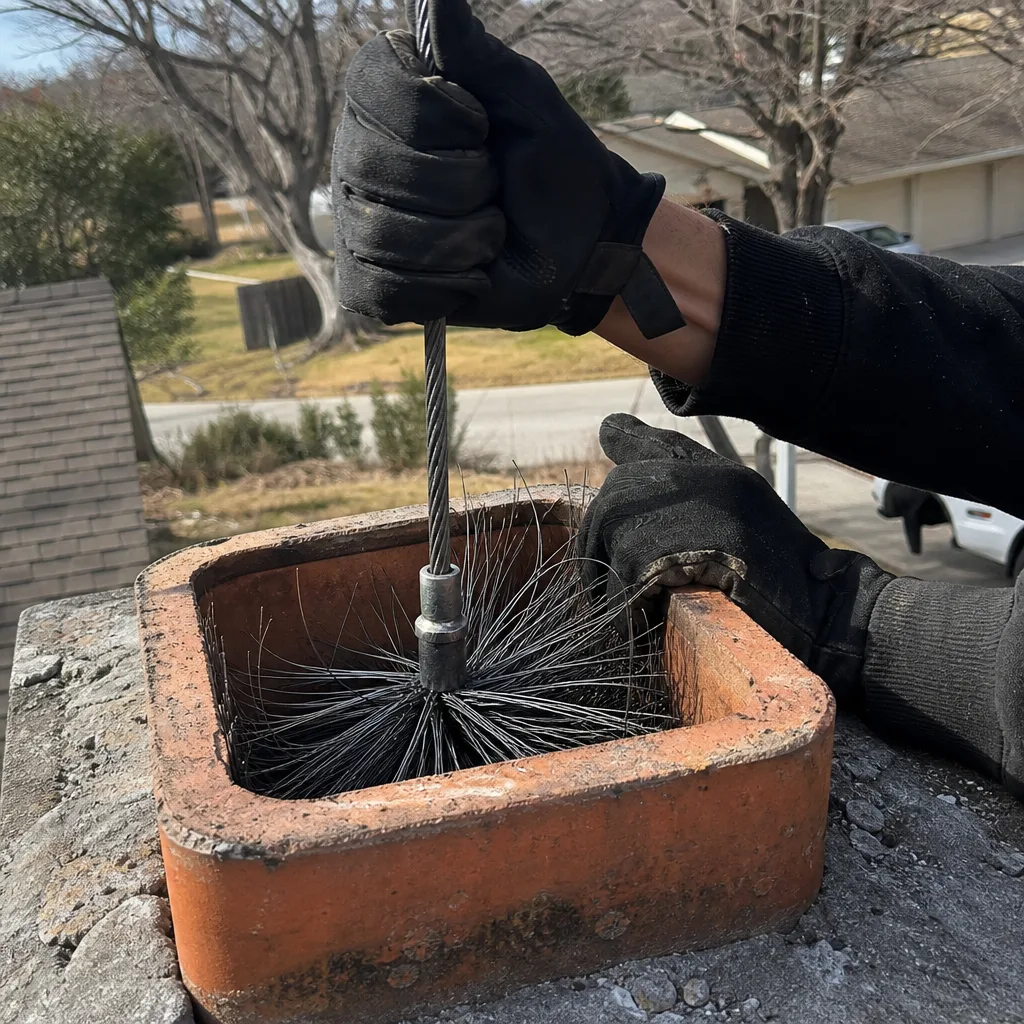
A legitimate scope of work for chimney cleaning or repair in Dallas is not a paragraph. It’s a line-item document that separates diagnosis from recommendation, and recommendation from price. Here’s what belongs on that page before any work starts.
- Property address and date. Seems obvious, but we’ve seen generic scopes with no address used across multiple homes.
- Appliance and flue identification. “Fireplace in living room, masonry flue, approximately 18 feet from hearth to crown.” This prevents the “wrong chimney” dispute.
- Condition findings with locations. Not “flue has cracks.” Instead: “Vertical crack in rear flue tile, approximately 14 inches from top of smoke chamber, visible on camera at timestamp 03:22.” Specificity is protection.
- Creosote classification if applicable. Class I (sooty), Class II (granular), or Class III (glazed, tar-like). Class III creosote cannot be removed by brushing alone; it requires chemical treatment or rotary removal. If your scope says “heavy creosote” without classifying it, the contractor may not know the difference.
- Line-item pricing for each recommended action. “Sweep and Level 2 inspection: $X. Crown repair with HeatShield CrownCoat: $Y. Stainless steel liner, 6″ diameter, DuraFlex or Olympia Chimney equivalent, installed: $Z.” Lump sums hide markup and prevent comparison.
- Materials specified by brand or equivalent. “Stainless steel liner” is not enough. “304-alloy flexible liner, DuraFlex or Olympia Chimney, with lifetime warranty” is. We source through Haven’s buying network specifically to keep customer prices honest - Gelco, Famco, Copperfield, and others - and we name what’s being installed.
- Exclusions. What is NOT included: masonry rebuild above the roofline, damper replacement, exterior painting, permit fees if required by your Dallas municipality.
- Warranty terms. Duration, what is covered, transferability if you sell, and the exact process for making a claim.
- Customer signature and date. Both parties sign before work begins. This is Clause 1 of the Haven Standard: Have it in writing.
We’ve delivered written scopes in Dallas since 2009 - every one with a price before work started and a documented record when it was done. If a contractor tells you “we don’t need all that for a simple sweep,” they’re wrong. A sweep is a service performed inside your home on a combustion-venting system. The documentation protects both of you.
Red Flags Specific to the Dallas Market
Some warning signs are universal. Others are concentrated in Dallas’s particular market dynamics: rapid growth, transitory population, and a housing stock that mixes 1920s bungalows, 1970s ranch homes, and new construction with builder-grade fireplaces.
Door-hanger discounts with urgent expiration. In neighborhoods like Bishop Arts and the M Streets, we’ve seen aggressive door-to-door operations offering “$99 sweep specials” that expire in 48 hours. The price gets them in the door. The upsell - often thousands in “urgent” liner work - follows the flashlight inspection. Real chimney maintenance is seasonal, not emergency. Your chimney will not collapse if you wait a week to verify credentials.
Pressure to schedule same-day. “I have a crew in your area this afternoon.” This creates artificial scarcity. A legitimate Dallas contractor has a booking calendar measured in days or weeks, not hours. Same-day pressure is a sales tactic, not a service convenience.
Inspection reports with no photos. In 2025, a smartphone takes better images than most dedicated inspection cameras from a decade ago. If your “inspection” produces a checklist with no visual documentation, you have no evidence of what was found. Clause 4 of the Haven Standard requires a photo record on every job - we’ve done this since 2009, before regulators or insurers asked for it.
Quotes that vary dramatically with your insurance company. Some Dallas contractors adjust prices based on whether you’re paying out of pocket or filing a claim. This is unethical and potentially fraudulent. A written price should be the same regardless of payment source.
Generic “chimney needs repair” language. Vague findings that cannot be verified are designed to create anxiety, not clarity. Every deficiency should be locatable, photographable, and describable in terms a second contractor can evaluate.
No physical address or local phone number. Virtual offices with 800 numbers and no Dallas presence may indicate storm-chasing operators who leave town after hail season. Verify the business address. Google Street View it.
We’ve performed Chimney Repair in Dallas across these neighborhoods long enough to recognize the patterns. The red flags don’t change; only the names on the trucks do.
How to Compare Two Bids When the Scope Differs
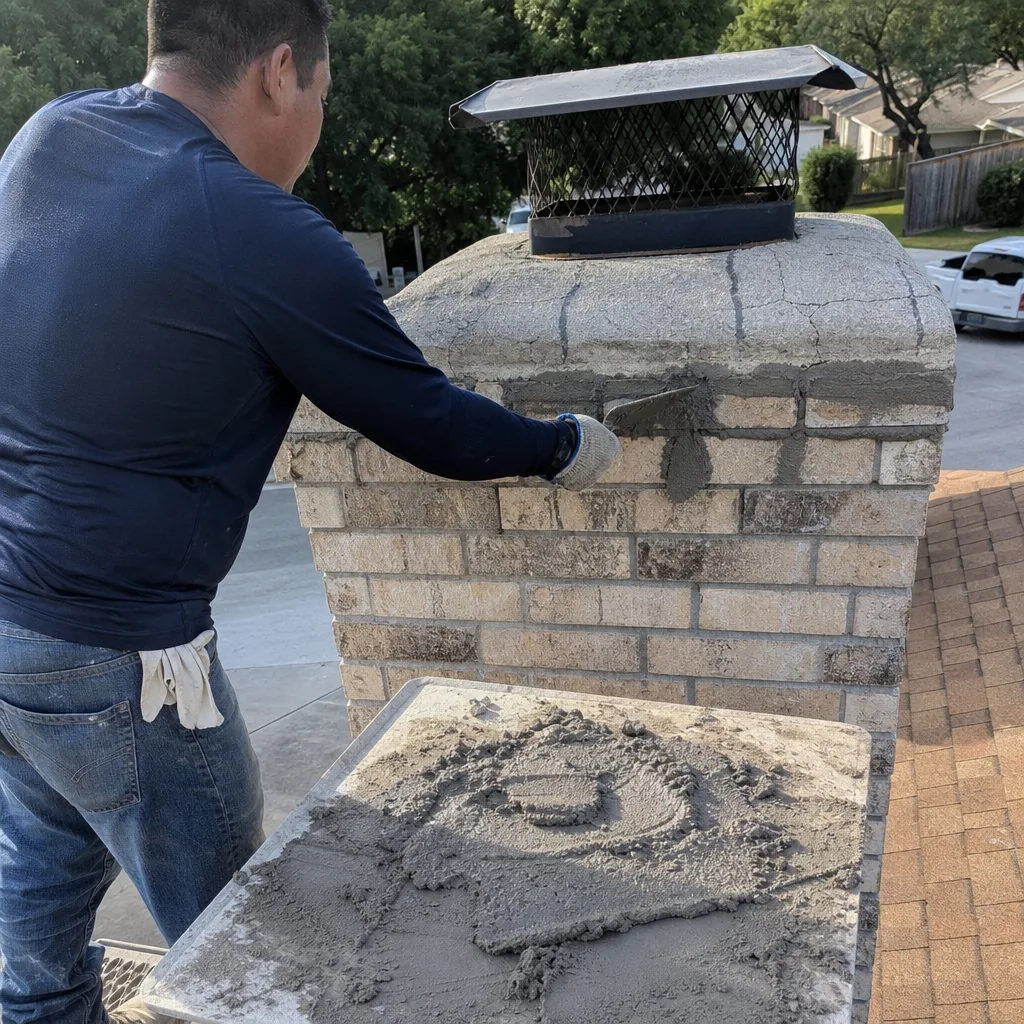
This is where most Dallas homeowners get stuck. One quote is $189. Another is $450. They appear to describe the same service. They are not. Our chimney cleaning cost breakdown for Dallas homeowners explains what’s actually behind those numbers.
Use this framework to evaluate what each bid actually covers.
- Normalize the inspection level. Is each quote based on NFPA 211 Level 1 (visual) or Level 2 (camera scan)? A $189 Level 1 and a $450 Level 2 are not comparable services. The Level 1 cannot find the defects that the Level 2 reveals. You’re not overpaying at $450; you’re buying actual information.
- Count the line items. A single-line “chimney sweep and inspection” quote against a multi-line scope with separate prices for sweep, Level 2 inspection, and condition report is not apples-to-apples. The detailed quote shows you what you’re paying for. The lump sum hides what you’re not getting.
- Check material specifications. “Install stainless steel liner” versus “Install 6″ diameter, 304-alloy flexible stainless steel liner, DuraFlex or equivalent, with insulated wrap, top plate, and rain cap.” The unspecified liner could be 430-alloy (shorter lifespan), uninsulated (condensation risk), or improperly sized for your appliance.
- Verify warranty duration and terms. A lifetime liner warranty from a company that has been in business two years is worth less than a 20-year warranty from an established firm. Check how long the company has operated in Dallas specifically, not just “in business since” claims that may reference a different state or entity.
- Calculate total first-year cost, not just invoice price. If the cheaper quote excludes the camera inspection that you’ll need to verify safety, and you pay separately for that later, your total cost may exceed the comprehensive quote. Similarly, a repair with a 30-day warranty that fails and must be redone is more expensive than the same repair with a one-year warranty that holds.
- Evaluate the documentation you’ll receive. Photos, video, written report, and warranty documents have value beyond the immediate service. They’re required by home insurers for claims, by home inspectors at sale, and by you for tracking condition over time. A cheap sweep with no documentation is a sunk cost with no residual value.
We’ve provided second opinions on competitor quotes where the “savings” evaporated once the homeowner realized the cheaper bid excluded the camera inspection, used uninsulated liner in a Dallas climate where condensation is a real risk, and carried no written warranty. The Chimney Cleaning & Sweep in Dallas page details our standard scope for comparison.
Common Mistakes to Avoid
- Assuming all “inspections” are equal. In Dallas, a “chimney inspection” can mean a flashlight glance or a full camera scan. The word is meaningless without specification. Always ask: “Is this NFPA 211 Level 1 or Level 2?”
- Booking based on price alone. The lowest bid often reflects the narrowest scope, the least documentation, and the shortest warranty. In chimney work, what you don’t pay for upfront you frequently pay for later - sometimes in safety consequences.
- Accepting verbal promises. “The technician said he’d warranty it” is not enforceable. “The warranty is on the signed scope” is. Texas law favors written contracts. Get it in writing or it does not exist.
- Ignoring Dallas-specific masonry risks. Our expansive clay soils shift foundations and crack chimney structures. A sweep who doesn’t inspect the chimney exterior and crown from the roof - not the ground - is missing the damage pattern most common in our area.
- Skipping the insurance verification. We mentioned this above, but it bears repeating: an uninsured worker on your property is your liability exposure. Verify. Don’t assume.
- Not asking about creosote classification. If you’re told you have “a lot of buildup,” ask: “What class?” Class III glazed creosote requires different treatment than Class I soot. Misclassification leads to incomplete removal and elevated fire risk.
- Waiting until burning season to inspect. Dallas’s peak demand runs October through January. Booking in September means better technician availability and more time to complete any needed repairs before first fire. Emergency bookings in December cost more and stress everyone.
When to Call a Professional
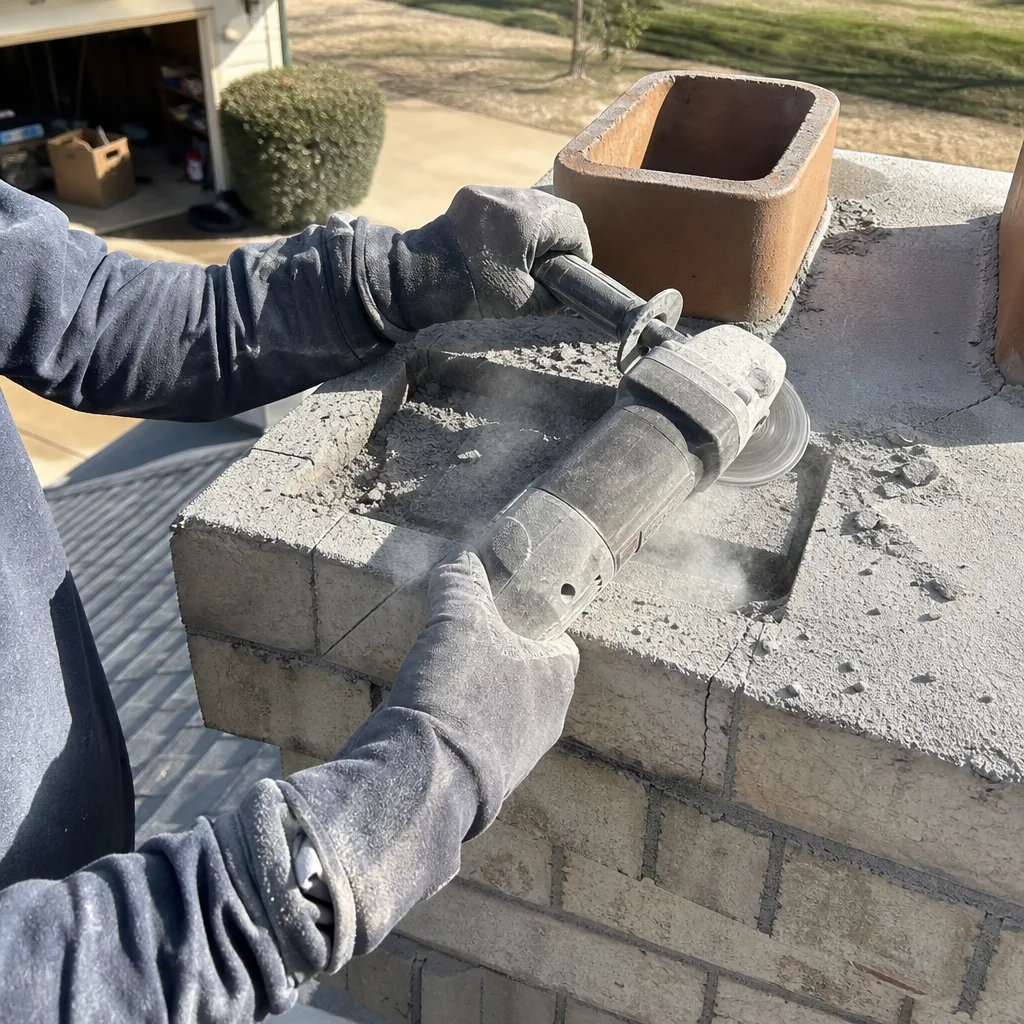
Call a qualified chimney contractor when: you smell smoke in the house during fireplace use; you see visible cracks in the exterior masonry or crown; your damper is stuck or damaged; you’ve never had the chimney inspected since purchasing your home; or you’re preparing to sell and need documentation for the buyer’s inspection.
More urgently, call immediately if you experience a chimney fire - signs include loud cracking or popping, dense smoke, or a hot, intense odor - or if your carbon monoxide detector alarms and the source is unclear. Both indicate potential venting failure that requires professional evaluation before any further use.
For routine maintenance, the Fireplace Services in Dallas page outlines our inspection and cleaning schedule recommendations based on use patterns.
Emberly Chimney Cleaners Dallas offers free estimates in Dallas - call (972) 284-1392. A live person answers 24 hours a day, 7 days a week. No voicemail, no web form delay.
Frequently Asked Questions
A professional chimney sweep with NFPA 211 Level 2 camera inspection in Dallas typically ranges from $250 to $450, depending on accessibility, appliance type, and creosote condition. Basic sweeps without camera documentation may cost less but cannot verify flue integrity. Call (972) 284-1392 for an exact quote - estimates are free.
You need a new liner when the existing one is cracked, deteriorated, improperly sized, or absent - and only if a camera inspection confirms the damage. We’ve seen Dallas homeowners quoted $3,000+ liner replacements for flues that were merely dirty. Nothing should be recommended without photo evidence you can see for yourself. If you’re uncertain, our Free Second Opinion on Any Written Estimate lets you verify before committing.
The NFPA recommends annual inspection for all chimneys, with cleaning frequency based on use and creosote accumulation. In Dallas, where many homeowners burn intermittently through a longer season, we often see adequate intervals of every 1-2 years for wood-burning fireplaces with moderate use. Gas appliances need less frequent cleaning but still require annual inspection for venting integrity. Heavy use or soft woods like pine accelerate buildup and may need more frequent service.
Skipped maintenance leads to creosote accumulation that fuels chimney fires, cracked liners that leak carbon monoxide into living spaces, and moisture intrusion that destroys masonry from the inside. In Dallas’s variable climate, freeze-thaw damage to neglected crowns accelerates structural decay. The cost of prevention is always lower than the cost of remediation - or the cost of a house fire. Call (972) 284-1392 to schedule before burning season.
Verify directly at csia.org using their “Find a Certified Professional” tool. Enter the technician’s name or company name. Active certifications display with number and expiration date. Do not accept “certified” claims at face value. In a market with no state licensing, independent verification is your only protection.
A sweep cleans the flue. An inspector evaluates the entire system - structure, liner, crown, cap, damper, smoke chamber, and clearances - against safety standards. In practice, these services overlap: a proper sweep includes inspection, and a proper inspection requires clean surfaces to evaluate. At Emberly Chimney Cleaners Dallas, every visit includes both cleaning and NFPA 211 Level 2 camera inspection as standard, with a documented photo record on completion.
The Bottom Line
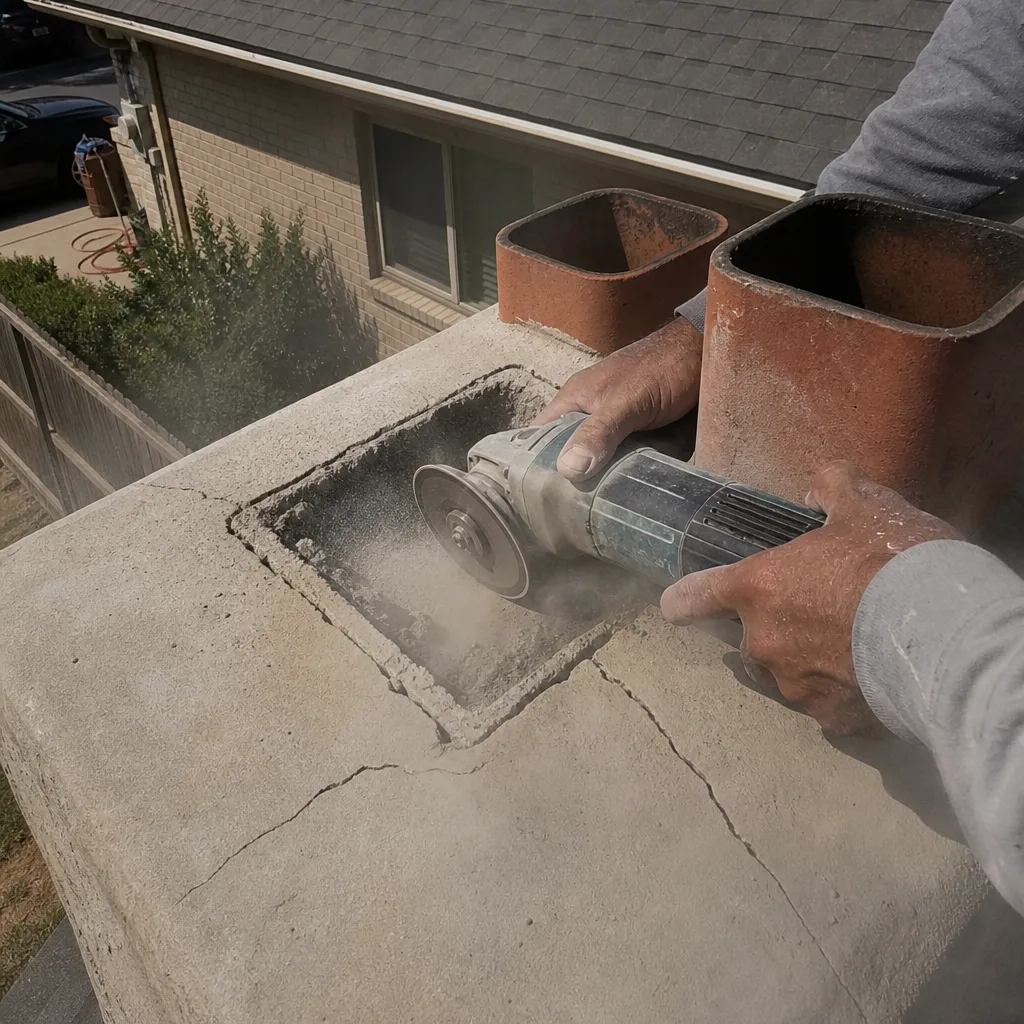
Hiring a chimney contractor in Dallas comes down to four verifiable commitments: a written price before work starts, a camera inspection with photo documentation, credentials you can check independently, and a warranty with clear terms. Everything else is conversation. The contractors who meet these standards welcome your scrutiny. The ones who don’t have something to hide. We’ve built our practice on the Haven Standard since 2009 - written price, verified crew, documented record, done-right promise - because in a market with no required licensing, the only standard that matters is the one you demand.
Ready to schedule? Call Emberly Chimney Cleaners Dallas at (972) 284-1392 for a free estimate. A live person will answer, 24 hours a day, 7 days a week. We’ll deliver a written price before any work starts, a camera-scan inspection with documented photo record, and the 365-Day Done Right Promise on every job.
Written by Corrine Halstead, Owner at Emberly Chimney Cleaners Dallas, serving Dallas since 2009.